Beginner’s Guide to Setting Up a Campsite

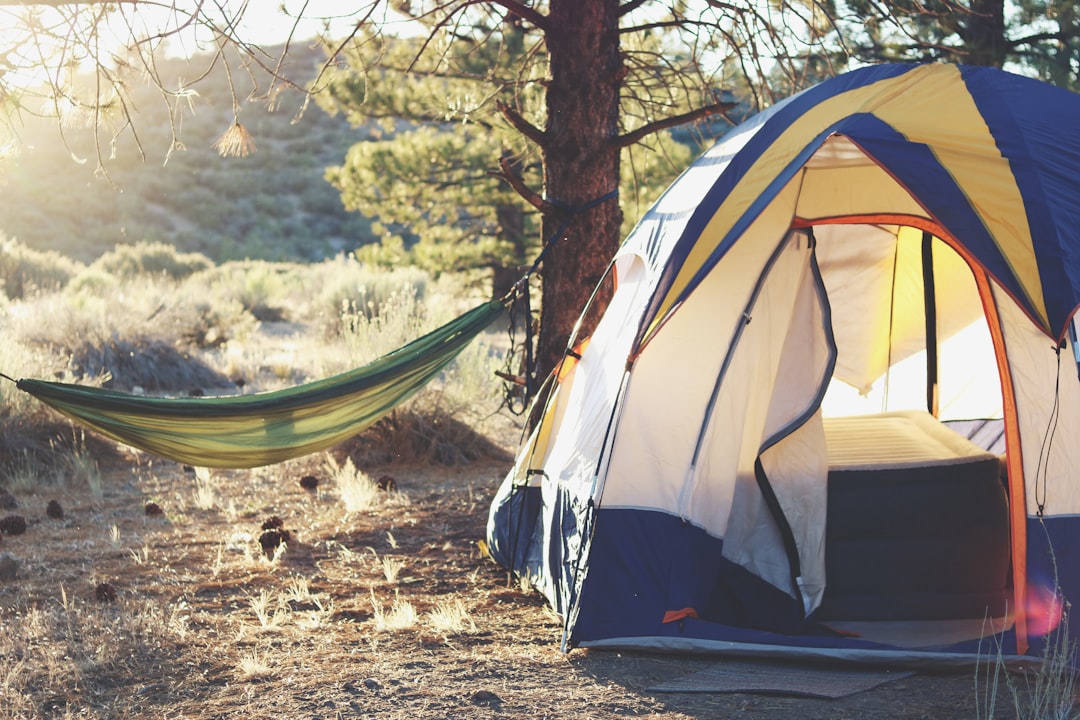
Setting up a campsite for the first time can feel like a lot — but with a methodical approach you can get a safe, comfortable site in under an hour. The key: pick the right spot, protect your gear, prioritize sleeping and cooking layouts, and check for hazards before you unpack everything.
Pack gear that simplifies setup and keeps essentials organized. A good hydration system helps keep you moving while you scout and set up; consider a dedicated pack like the MARCHWAY Tactical Molle Hydration Pack for easy access to water on the trail and around camp.
1. Choosing a Campsite
Look for level ground slightly above any water runoffs, with natural wind protection and minimal rock or root intrusion. Avoid dry creek beds and the low point of a slope where cold air settles overnight. If you plan to scout the area before committing, bring a pair of compact binoculars to check for distant hazards, water sources, or wildlife activity without walking the whole site.
2. Tent Placement and Orientation
Place your tent on the flattest, most level portion of the site. Orient the door away from prevailing wind and toward any view or clean route to cooking and restroom areas. If trees are available, use them for shade in hot weather but avoid dead limbs overhead (widowmakers). Use a footprint or tarp under your tent to protect the floor and to create a clear barrier against moisture.
3. Approach, Footwear, and Paths
Clear a short path from parking or trail drop-off to the tent and cooking area. Keeping a tidy approach reduces tripping and minimizes impact. Wear supportive, waterproof shoes on approach hikes — something like the Columbia Newton Ridge waterproof hiking shoes will protect your feet and keep you comfortable while moving gear.
4. Sleeping Area Setup
Designate a sleeping zone separate from cooking and gear storage. Lay ground insulation (thin foam or closed-cell pad) first, then sleeping pad and sleeping bag. Keep a small “keep-close” bag for items you might need at night (headlamp, water bottle, phone, small first-aid kit). Elevate items off the ground if rain is in the forecast.
5. Cooking, Fire Safety, and Food Storage
Set your stove or fire pit at least 10–15 feet from sleeping areas and under no overhangs. Clear the ground of flammable debris and have a bucket or jug of water nearby. Store all food, trash, and scented items in a secure container or locked vehicle. For cold storage of perishables or catch on fishing trips, an insulated fish cooler bag also doubles as reliable food storage in a pinch.
6. Protecting Gear from Weather
Predictable rain or damp conditions call for waterproofing: keep electronics and spare clothes inside waterproof bags or dry sacks. A robust dry bag is indispensable for storing items that must stay bone-dry — phones, spare layers, and fire-starting materials. Consider a large-capacity option like the HEETA 50L waterproof dry bag for multi-day trips.
7. Lighting, Tools, and Camp Furniture
Light the camp with a combination of a hands-free headlamp for tasks and a lantern for ambient light. A reliable headlamp makes night trips to the bathroom and tent chores safer; a model like the DanForce USB-rechargeable headlamp offers brightness and runtime control. For organization and prep space, a small portable table gives you a stable surface for cooking and gear layout — a lightweight option is the Anbte folding camping table.
8. Organization and Gear Storage
Divide gear into zones: sleeping, cooking, tools, and trash. Use packs or bags dedicated to each function so you can find essentials quickly. Backpacks designed for hauling and organization are handy at camp — a multi-compartment pack such as the KastKing KarryAll backpack works well for stowing cooking supplies, tools, and small food items within easy reach.
9. Safety, Wildlife, and Leave No Trace
Store food away from the tent and follow local requirements for bears or small mammals. Never cook in your tent and clean up spills immediately. Pack out everything you brought in. For fires, follow park rules, fully extinguish embers, and scatter cooled ash if permitted. Leave the campsite cleaner than you found it to protect the natural environment and future campers.
Quick Setup Checklist
- Scout site: level, above runoff, safe from dead limbs.
- Lay tent footprint, peg and guy out for weather.
- Create separate sleeping and cooking zones (10–15 ft apart).
- Store food in sealed containers or vehicle; cool perishables in an insulated bag.
- Waterproof critical gear and clothes; use dry bag for electronics.
- Establish a clear path and keep lighting ready (headlamp + lantern).
- Clean up food scraps and pack out trash; extinguish fires completely.
FAQ
How close can I pitch to water? Pitch above the high-water line and at least 200 feet from lakes and streams where local rules require it. Low ground floods easily and draws biting insects.
What do I do if it rains after setup? Tighten tent guylines, adjust vestibules for runoff, move critical gear into waterproof bags, and elevate sleeping pads. If you used a footprint, it will help reduce floor wetness.
How much food should I bring per person? Plan for at least two full meals and one backup snack per day, plus extra for emergencies. Use an insulated cooler or bag for perishables and store dry goods sealed away from wildlife.
What’s the best way to handle trash? Pack it out. Use resealable bags for food scraps and double-bag smelly items. If burn rules allow, small, controllable burns are an option, but do not burn plastics or cans.
How should I store my water at camp? Keep a few liters in an easy-to-access container near cooking and a smaller bottle by your sleeping area. Treat or filter water from natural sources before drinking.
Conclusion
Good campsite setup is about consistency: pick a safe spot, separate sleeping and cooking, protect gear from weather, and keep things organized. Use reliable gear — from a waterproof dry bag to a solid headlamp — to reduce surprises and speed setup. With a clear plan and these basic steps, you’ll have a comfortable, safe camp ready for an enjoyable night outdoors.
Products Featured in This Article
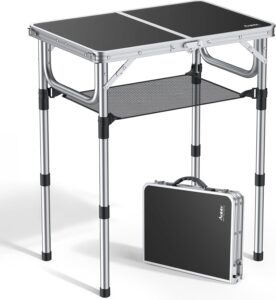
Anbte Folding Camping Table, Alumin…
From the brand Who are we? Young people who love hiking and adventure create a unique…
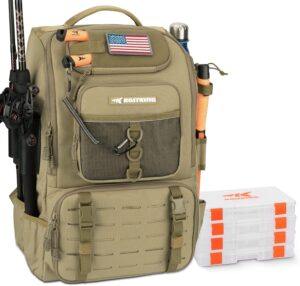
KastKing KarryAll Fishing Tackle Ba…
Product description The video showcases the product in use.The video guides you through product setup.The video…
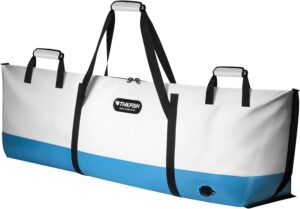
THKFISH Fish Cooler Bag Insulated F…
Product description Wider Handle Wide carrying handles for easy gripping. Waterproof Zipper Help prevent spills and…

MARCHWAY Tactical Molle Hydration P…
From the brand MARCHWAY Hydration Pack Streamlined design, sturdy materials will last for years. March is…

Columbia Men’s Newton Ridge P…
A hiking boot designed with expert craftsmanship for the female hiking enthusiast, the Columbia Newton Ridge…

Nocs Provisions Standard Issue 10&#…
Product description 1 STANDARD ISSUE 25MM 2 ZOOM TUBE 32MM 3 FIELD ISSUE 32MM 4 PRO…
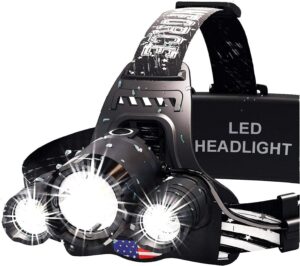
DanForce Headlamp. USB Rechargeable…
From the brand Designed in the US, DanForce headlamp is a HIGH QUALITY LED HEADLAMP. IPX45…

HEETA Waterproof Motorcycle Dry Bag…
Product description 1 Reflective Design 2 Multiple Colors 3 Double Reinforcement 4 Product Details 1 Single…