
Heading into the outdoors for the first time is exciting—but smart packing makes the trip safe and enjoyable. This guide breaks down essential gear every beginner should pack, with clear priorities: shelter, warmth, hydration, navigation, safety, and a few extras to make time outside comfortable.
Below you’ll find practical recommendations, product-category links to helpful options on Outdoor Gear Standard, and a simple checklist you can use before your next outing.
1. Shelter and Sleep Systems
Your shelter depends on the trip length and season. For day hikes, a lightweight emergency bivy or tarp is often enough; for overnight trips, a three-season tent and a sleeping pad rated to the expected temperature are core items. Choose a tent that balances weight and weather protection—vestibules for gear storage and easy setup are particularly helpful for beginners.
2. Clothing: Layers and Footwear
Layering is the simplest way to manage body temperature. Base layers that wick moisture, an insulating midlayer, and a waterproof/breathable outer shell are the basics. Avoid cotton—quick-drying synthetics or merino wool are better choices.
For hunting-specific climates or when you need durable camo patterns, check specialized options in Hunting Clothing. Proper footwear is equally important: waterproof, supportive boots reduce fatigue and prevent blisters—see solid hunting boot options in Hunting Boots.
3. Packs and Hydration
Choose a pack sized to the duration of your trip. For day hikes, 15–30 liters is comfortable; overnight, 40+ liters is typical. Look for adjustable hip belts and a frame that distributes weight to hips.
A hydration system makes drinking easy on the move. For hands-free hydration and organized pockets, consider a purpose-built hydration pack like the MARCHWAY Tactical Molle Hydration Pack, which includes a 3L bladder and MOLLE attachment points for tools.
4. Navigation, Light, and Communication
Never rely solely on your phone for navigation—battery life and reception can fail. Pack a map and compass and learn basic map-reading skills before you go.
Lighting is essential for early starts, late finishes, and emergencies. A reliable headlamp keeps your hands free; rechargeable units with red-light modes extend battery life. One solid option is the DanForce Headlamp, which offers high-lumen output and USB rechargeability.
For emergency communication in remote or marine environments, a durable radio can be life-saving—see the selection of Waterproof Emergency Radios for units designed to resist harsh conditions.
5. Safety, First Aid, and Repair Tools
A compact first-aid kit tailored to your group size should include bandages, antiseptic wipes, tape, blister care, and any personal medications. Add a small repair kit with duct tape, cordage, a multi-tool, spare zipper pulls, and needle/thread for quick fixes.
Waterproof storage prevents soaked gear. A rugged dry bag protects electronics, spare clothing, and food—consider the heavy-duty HEETA Waterproof Dry Bag for reliable protection on wet trails or water-based outings.
6. Food, Cooking, and Water Treatment
Plan simple, calorie-dense meals that are easy to prepare: dehydrated meals, trail mixes, nut butter packets, and ready-to-eat sandwiches. Bring a compact stove and fuel if you plan to cook; otherwise, good cold meals are fine for day trips.
Water treatment is non-negotiable when relying on natural sources. Use a filter, chemical tablets, or UV purifier depending on weight and expected water quality. Pack extra water for hot or strenuous days and consider an insulated bottle to prevent freezing in cold weather.
7. Optics and Observation Gear
For wildlife watching, scouting, or trip planning, binoculars make a big difference. Lightweight, weatherproof models with good coatings and comfortable eye relief are best for beginners. A compact, high-quality option is the Nocs Provisions 10×25 Waterproof Binoculars, which balance magnification with portability for field use.
8. Sport-Specific Add-Ons (Fishing and Hunting)
If you’re headed out to fish, a basic electronics upgrade like a fish finder shortens the learning curve and increases your odds of success. Browse compact sonar and charting options in the Fish Finders category to match your boat and budget.
For hunters, bring season-appropriate scent control, a reliable rangefinder or binoculars, and a pack designed for hauling game. Even if you’re primarily hiking, a few hunting-oriented items—scent control or gloves—can be useful in specific seasons.
Quick Checklist
- Pack, rain shell, insulating midlayer
- Sturdy footwear and socks
- Hydration system or water bottles + treatment
- Map, compass, and headlamp (headlamp)
- First-aid kit and repair tools
- Emergency radio or signaling device
- Shelter and sleeping system appropriate to season
- Food for trip + backup snacks
- Optics (binoculars) for scouting: Nocs 10×25
FAQ
Q: What’s the minimum gear for a safe day hike?
A: At minimum: navigation (map/compass), water and a way to treat more if needed, weather-appropriate layers, a headlamp, basic first-aid, and a whistle or radio for emergencies.
Q: How do I keep electronics dry on rainy trips?
A: Use waterproof dry bags or an internal pack liner and keep batteries in sealed bags. For extra protection, store devices in a buoyant case or in your waterproof radio pack.
Q: Should beginners carry a stove or rely on cold food?
A: For day hikes, cold food is fine. For overnight trips, a small, lightweight stove makes hot meals and melting snow easier—choose based on trip length and weather.
Q: How much water should I pack per person?
A: Aim for at least 1 liter per two hours of moderate activity in moderate temperatures; increase for hot weather or strenuous routes. Carry treatment options if you may need to refill from natural sources.
Q: Are specialized hunting or fishing items necessary for beginners?
A: Not always. Basic outdoor skills and core gear cover most needs. Sport-specific items—like fish finders for fishing or scent control for hunting—become worth the investment as you focus on those activities.
Conclusion
Start with the fundamentals: shelter, layers, water, navigation, and a basic safety kit. Add specialized gear as your interests and skills grow. Use the checklist before each trip, pick a few reliable, weatherproof pieces, and prioritize comfort and safety—smart choices make memorable outdoor experiences.
Products Featured in This Article

MARCHWAY Tactical Molle Hydration P…
From the brand MARCHWAY Hydration Pack Streamlined design, sturdy materials will last for years. March is…

Nocs Provisions Standard Issue 10&#…
Product description 1 STANDARD ISSUE 25MM 2 ZOOM TUBE 32MM 3 FIELD ISSUE 32MM 4 PRO…
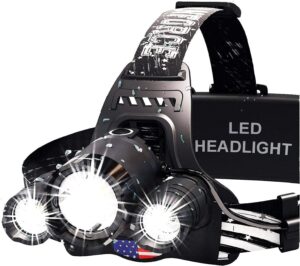
DanForce Headlamp. USB Rechargeable…
From the brand Designed in the US, DanForce headlamp is a HIGH QUALITY LED HEADLAMP. IPX45…

HEETA Waterproof Motorcycle Dry Bag…
Product description 1 Reflective Design 2 Multiple Colors 3 Double Reinforcement 4 Product Details 1 Single…