

How to Protect Your Gear from Rain, Mud, and Water
Rain, mud, and standing water are the fastest ways to ruin expensive outdoor equipment. Whether you’re day-hiking, hunting, fishing, or boating, a few simple habits and the right products keep gear functional and prolong its life.
This guide lays out practical steps—from selection and packing to cleaning and quick field fixes—so your kit stays dry, serviceable, and ready when you need it.
Choose the right base gear
Start with items designed for wet conditions. Waterproof fabrics, sealed zippers, and water-resistant coatings matter more than bright colors or extra pockets when moisture is involved. For pack choices that handle damp conditions, consider a purpose-built option like Hunting Backpacks with proven exterior coatings and internal organization for dry storage.
Protect electronics and batteries
Electronics fail fast when exposed to water. Keep radios, GPS units, spare batteries, and chargers in hard-sided cases or waterproof pouches. For critical communications on water or in storm-prone areas, prioritize items from a dedicated waterproof lineup—like the range found under Waterproof Emergency Radios—and store them in an accessible, dry compartment.
Lighting: keep it bright and dry
Headlamps and flashlights are essential in poor weather. Choose lights with an IPX rating and keep a backup in a sealed dry bag. Store a small waterproof headlamp in an outer pocket for quick access; an example of a weather-resistant option is the DanForce Headlamp, which balances brightness and splash protection.
Care for optics and sensitive gear
Binoculars, rangefinders, and scopes are vulnerable to fogging and water intrusion. Use gear with sealed housings or add rain guards and neoprene covers. After exposure, wipe lenses with a microfiber cloth and a lens-specific cleaner, then allow sealed optical devices to dry in a warm, ventilated area. For rugged optics built to stand up to damp conditions, consider models like the Nocs Provisions Standard Issue 10×25 Waterproof Binoculars.
Protect trail cameras and sensitive mounts
Trail cameras and remote sensors see long exposure to elements; choose weather-rated models and mount them under slight overhangs when possible. Use silicone sealant or gasket tape on seams if you notice gaps, and check battery compartments after storms. Rugged, water-resistant units like the SPYPOINT Flex-M Twin Pack Cellular Trail Cameras are built to tolerate wet conditions and reduce maintenance visits.
Footwear and mobility in mud
Wet feet and soaked boots make trips miserable and invite blisters. Waterproof boots with breathable membranes are best for mixed wet/dry use; for muddy, frequently wet terrain, a waterproof hiking shoe like the Columbia Men’s Newton Ridge Plus II Waterproof Hiking Shoe keeps feet dry while shedding mud. Clean and dry boots after trips; remove insoles and air them to prevent mildew.
Gloves, clothing layers, and drying strategy
Layering and appropriate gloves preserve dexterity while keeping you warm and dry. Waterproof, dexterous gloves are essential when handling wet gear; a reliable example is the DRYMILE HYLA Waterproof Dexterity Gloves. Pack a lightweight waterproof shell and quick-dry base layers. When clothing gets soaked, change into dry layers ASAP and hang wet items to dry in a ventilated shelter or vehicle.
Handling wet catches and wet gear on trips
If you fish or bring back game, separate wet or bloody items from clean gear. Use waterproof bags or a dedicated insulated fish bag to contain moisture and odors; a practical option is the THKFISH Fish Cooler Bag Insulated Fish Kill Bag, which isolates wet contents and keeps the rest of your pack dry. If boating, secure wet items below deck in sealed containers to prevent salt corrosion and mildew.
Cleaning, drying, and storage best practices
After exposure, clean mud and salt off gear as soon as practical. Rinse with fresh water (avoid high-pressure sprays on seals), unclip and dry buckles, and lubricate zippers with silicone lubricant. For electronics with removable batteries, pull the batteries and allow both compartments to dry. Store gear in a cool, dry, ventilated place—avoid leaving items compressed in damp conditions where mold can form.
Field repairs and quick fixes
Carry a small repair kit: duct tape, waterproof tape, seam sealant, a few zip ties, and a needle with strong thread. For split seams, apply a temporary strip of waterproof tape and follow up with sewing and seam sealer at home. For torn waterproof bags, waterproof patch kits or heat-bond patches work well. Quick action in the field prevents small problems from turning into irreparable damage.
Checklist: Quick steps to protect gear
- Choose waterproof-rated gear where possible.
- Use dry bags or sealed compartments for electronics and clothing.
- Keep a small repair kit and extra batteries accessible.
- Store wet items separately in waterproof bags or an insulated fish bag.
- Rinse off mud/salt, air-dry gear thoroughly before long-term storage.
- Inspect seals, zippers, and casings after storms and repair promptly.
FAQ
-
Q: Can I waterproof any backpack?
A: You can improve water resistance by adding a pack liner, using waterproof dry bags inside, and applying seam sealant to exposed seams, but truly waterproof performance requires purpose-built materials and sealed zippers.
-
Q: How should I dry electronics after water exposure?
A: Remove batteries and memory cards, power off, and let components air dry in a warm, ventilated place. Avoid heat sources that can warp plastics. For saltwater exposure, rinse with fresh water before drying to reduce corrosion.
-
Q: Is waterproof the same as water-resistant?
A: No. Water-resistant items repel light moisture; waterproof products have seals and membranes designed to prevent water ingress under defined conditions.
-
Q: How do I keep optics from fogging in rain?
A: Use anti-fog lens treatments, keep optical devices in ventilated cases when not in use, and avoid rapid temperature changes that cause condensation. Rain covers and lens caps help prevent direct water contact.
-
Q: What’s the best way to handle muddy boots?
A: Remove excess mud with a stick or brush, rinse with water, remove insoles, and air-dry. Treat leather with appropriate conditioner once fully dry to prevent cracking.
Conclusion
Protecting gear from rain, mud, and water is a mix of smart gear choices, good packing discipline, and timely cleaning and repairs. Invest in a few waterproof items, separate wet from dry, and make basic maintenance a routine—these small steps save money and frustration in the long run.
Products Featured in This Article
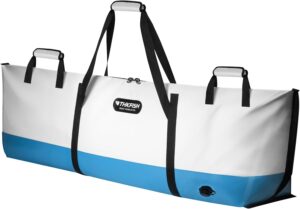
THKFISH Fish Cooler Bag Insulated F…
Product description Wider Handle Wide carrying handles for easy gripping. Waterproof Zipper Help prevent spills and…

Columbia Men’s Newton Ridge P…
A hiking boot designed with expert craftsmanship for the female hiking enthusiast, the Columbia Newton Ridge…
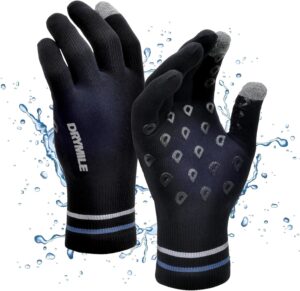
DRYMILE HYLA Waterproof Dexterity G…
Product description 100% Waterproof & Breathable Windproof and waterproof Breathable and Moisture Wicking 3 bonded layer…

Nocs Provisions Standard Issue 10&#…
Product description 1 STANDARD ISSUE 25MM 2 ZOOM TUBE 32MM 3 FIELD ISSUE 32MM 4 PRO…
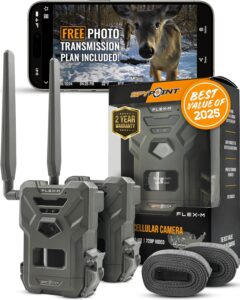
SPYPOINT Flex-M Twin Pack Cellular …
From the brand UNBEATABLE VALUE: Get premium cellular capabilities at an unbeatable price with the SPYPOINT…
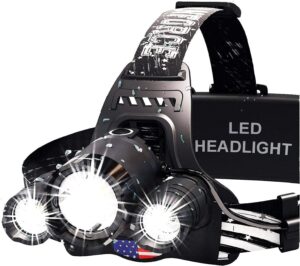
DanForce Headlamp. USB Rechargeable…
From the brand Designed in the US, DanForce headlamp is a HIGH QUALITY LED HEADLAMP. IPX45…