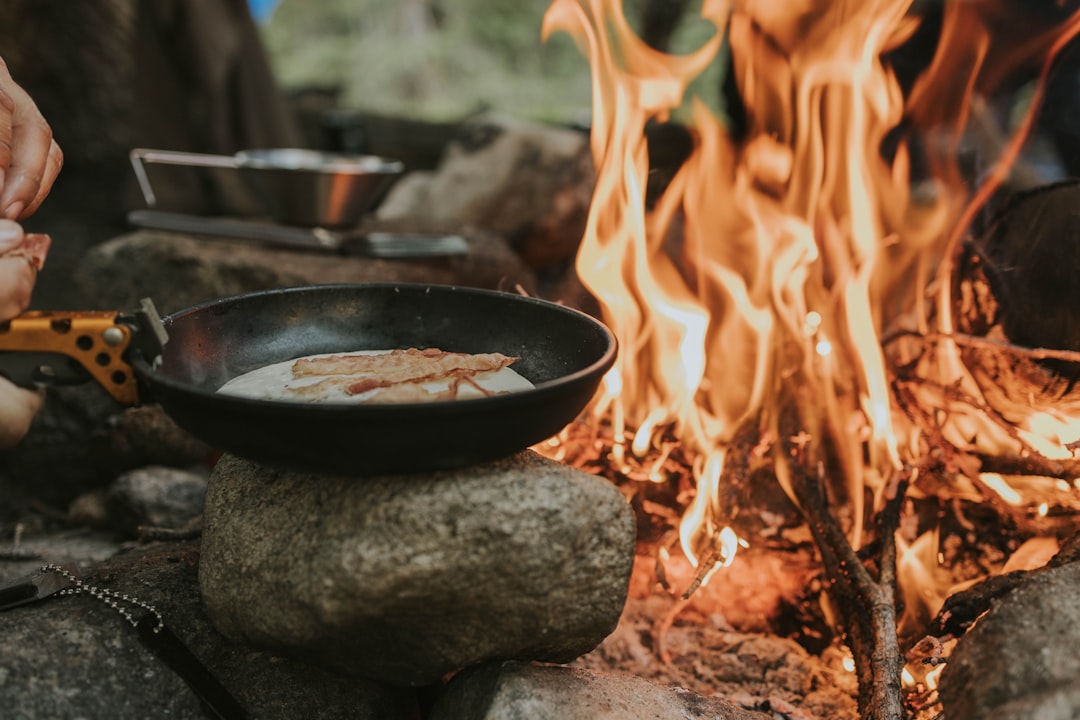
Cooking at camp should be about good food and low hassle. With a little planning, the right gear, and smart techniques you can prepare satisfying, easy meals without spending hours or hauling a kitchen’s worth of equipment.
This guide covers practical tips for meal planning, gear choices, food safety, and cleanup so you can focus on enjoying the outdoors. Read through and pick a few strategies you’ll use on your next trip.
Essential gear for easy campsite meals
Start with a compact set of tools: a reliable camp stove or compact grill, a lightweight pot and pan, a spatula, a sharp knife, and a cutting board. A stable prep surface speeds everything up—consider a small, portable table designed for camping like the Anbte Folding Camping Table for food prep and plating.
Plan simple menus that scale
Limit your menu to 2–3 breakfasts, lunches and dinners that reuse ingredients. Examples:
- Breakfasts: oatmeal packed with dried fruit, or eggs and sausage cooked in one pan.
- Lunches: sandwiches, wraps, or grain salads made ahead.
- Dinners: one-pot chili, pasta with pre-made sauce, or foil-packet fish and veggies.
Planning this way reduces the number of pots, pans and condiments you need to carry.
Stove, fire, and lighting tips
Match your cooking method to conditions. A small propane stove is fast and controllable; a wood fire adds flavor but requires more attention. Always test your stove setup at home so you know fuel and wind handling.
Good lighting keeps cooking efficient and safe after dark—stow a bright, rechargeable headlamp in your kitchen kit. A dependable option to consider is the DanForce Headlamp for hands-free illumination while you cook and clean up.
One-pot, sheet-pan and foil-packet strategies
Design dinners to minimize dishes. One-pot meals—stews, curries, and skillet hash—use a single pan and are easy to portion. Foil packets are ideal for meat, fish, and veggies: assemble at the site, seal, and cook on coals or a grill.
For griddle-style cooking like pancakes or searing meats, a few small accessories can speed up prep and cleanup. Lightweight griddle tools such as the Grilljoy 4PCS Griddle Accessories Set give you spatulas and nonstick helpers tailored for flat-surface cooking at camp.
Keeping ingredients fresh: coolers and storage
Perishable items are the trickiest part of camp meals. Use a good cooler or insulated bag, pack ice on top, and open as infrequently as possible. If you want a category overview to choose the right cooler for longer trips, check options under Fishing Coolers—they’re rugged and built to hold temperature for extended periods.
Storing and transporting fish and fresh protein
If your meals include fresh-caught fish or other meat that you’ll keep for later, specialized cool bags designed for catches can keep fish cold and separate from other food. For storing and carrying a day’s catch or extra ice, consider a product like the THKFISH Fish Cooler Bag, which is waterproof and sized for fish storage.
Organize spices, tools, and small items
Small, clearly separated containers for spices, oil, and condiments make camp cooking much faster. Repurpose lightweight tackle boxes or small organizers to sort spices, matches, bottle openers, and multitools. A convenient storage solution is the KastKing Tackle Boxes, which work well for organizing small cooking items and keep everything easy to grab.
Pack and carry smartly
Choose a dedicated bag for kitchen gear so nothing gets scattered inside your pack. Backpacks with multiple pockets and rigid compartments help you keep cookware separate from food and clothing. A multipurpose option such as the KastKing KarryAll Fishing Tackle Backpack is built for organizing tools and can double as a camp kitchen bag.
Cleanup and protecting gear
Designate two containers: one for food waste and one for dirty dishes. Bring biodegradable soap in a small bottle and a collapsible basin for washing; warm water speeds cleaning. Keep soiled linens and wet gear separate in a waterproof bag—this prevents contamination and keeps your tent clean. A rugged option is the HEETA Waterproof Dry Bag to pack away damp items and protect dry goods from spills.
Food safety basics
Follow simple rules to avoid spoilage and foodborne illness: keep raw meat separate from ready-to-eat food, chill perishables under 40°F, cook to safe temperatures, and discard food that’s been left out for more than two hours in warm conditions. Use one utensil per task or wash between uses to prevent cross-contamination.
Checklist: Quick camp-kitchen essentials
- Small camp stove + fuel or fire setup
- Lightweight pot and skillet, multi-use spatula
- Sharp folding knife and small cutting board
- Compact prep surface (e.g., small folding table)
- Insulated cooler or fish cooler bag for perishables
- Organizers for spices, matches, and tools
- Headlamp for night cooking and cleanup
- Waterproof bag for dirty/wet gear
FAQ
Q: What’s the easiest hot breakfast to make at camp?
A: A one-pan scramble with pre-cooked sausage or bacon, eggs, and chopped vegetables—minimal dishes and quick cleanup.
Q: How do I keep food cold without a large cooler?
A: Use an insulated fish or cooler bag, freeze water bottles to act as ice packs, and store perishables in the coldest part of your camp. Open the cooler as little as possible.
Q: Can I cook directly on a grill over coals every night?
A: Yes, but be mindful of local fire regulations and wind. Use a grill grate for stability and keep foil packets to reduce cleanup. A portable stove is faster and better in windy or wet conditions.
Q: How do I safely store raw fish or meat at a campsite?
A: Keep it sealed in a waterproof bag and chilled with ice in an insulated cooler; use a dedicated cooler for raw protein when possible to avoid cross-contamination.
Q: What tools make camp cleanup easier?
A: Biodegradable soap, a collapsible wash basin, scrub pad, a trash bag for waste, and a waterproof dry bag for dirty linens or wet gear streamline post-meal cleanup.
Conclusion
With a compact set of tools, simple menus, and a few smart products, campsite cooking becomes stress-free and enjoyable. Prioritize organization, temperature control, and minimizing dishes—those small habits save time and fuel better meals outdoors. Pick two changes from this guide to try on your next trip and build from there.
Products Featured in This Article

Grilljoy 4PCS Griddle Accessories S…
From the brand Professional Grilling sets Barbecue Tools Set Each bbq tool has been specifically designed…
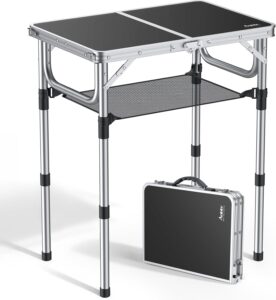
Anbte Folding Camping Table, Alumin…
From the brand Who are we? Young people who love hiking and adventure create a unique…

KastKing Tackle Boxes, Plastic Box,…
From the brand Fishing Backpack Fishing Sling Bag Fishing Tackle Storage Bags Tackle Box Tool Set…
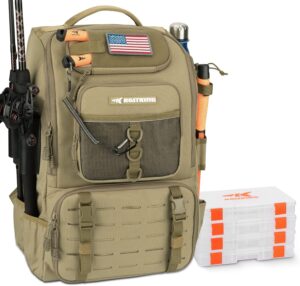
KastKing KarryAll Fishing Tackle Ba…
Product description The video showcases the product in use.The video guides you through product setup.The video…
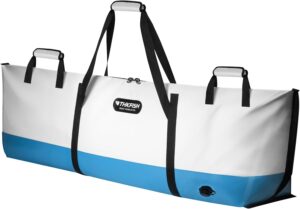
THKFISH Fish Cooler Bag Insulated F…
Product description Wider Handle Wide carrying handles for easy gripping. Waterproof Zipper Help prevent spills and…
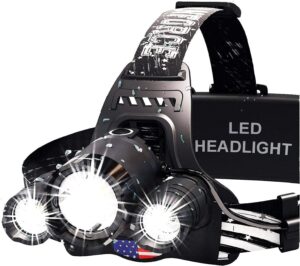
DanForce Headlamp. USB Rechargeable…
From the brand Designed in the US, DanForce headlamp is a HIGH QUALITY LED HEADLAMP. IPX45…

HEETA Waterproof Motorcycle Dry Bag…
Product description 1 Reflective Design 2 Multiple Colors 3 Double Reinforcement 4 Product Details 1 Single…