
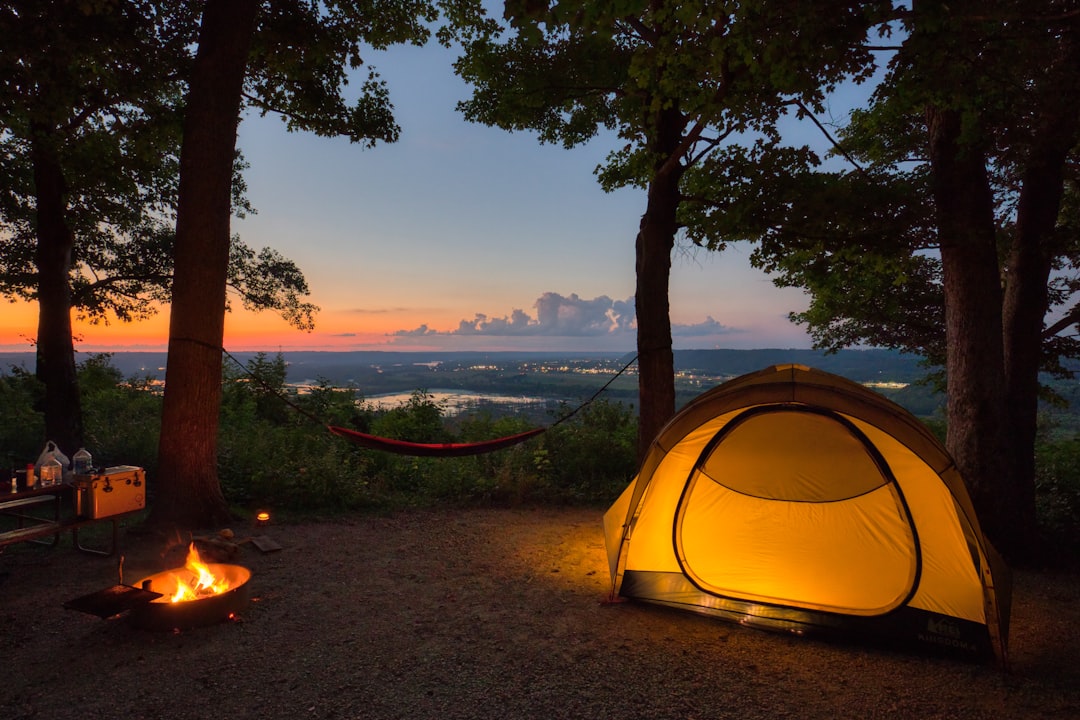
How to Stay Warm While Camping in Cool Weather
Cool-weather camping is one of the most rewarding ways to enjoy the outdoors: crisp air, clear skies and fewer crowds. But staying comfortable at camp requires a deliberate approach to clothing, shelter, food and activity. With the right strategies you can stay warm all evening and sleep through the night without overheating or shivering.
This guide gives practical, gear-forward advice you can apply on your next trip. Focus on layering, protecting extremities, managing moisture and using heat sources efficiently — and pack the right items so you don’t improvise when the temperature drops.
Layering: Start with a System, Not a Single Jacket
Layering is the foundation of comfort. Use a three-part system: a moisture-wicking base layer, an insulating mid layer, and a wind/rain-resistant outer shell. Avoid cotton next to skin — it traps moisture and steals heat.
Key points: choose breathable fabrics for the base layer, fleece or lightweight down for mid layers, and a shell that blocks wind and sheds light rain. Adjust layers as you move: add insulation when sitting, shed layers when active to avoid sweating.
Keep Head, Hands and Core Warm
Heat loss from the head and hands is real: gloves, hats and a warm core layer matter more than one extra coat. Carry a quality pair of gloves that combine dexterity and weather protection so you can handle zippers, cook and collect firewood without exposing skin. For dependable, weather-ready hand protection consider a pair like DRYMILE HYLA Waterproof Dexterity Gloves, which balance warmth, waterproofing and grip.
Feet, Footwear and Sleeping Warmth
Cold feet ruin a trip. Start with a dry, well-fitting pair of hiking shoes or boots that shed water and insulate. Sturdy waterproof footwear with good traction keeps your feet warm on damp ground and reduces heat loss. If you need a reliable choice for cool-weather trails and approach hikes, consider the Columbia Men’s Newton Ridge Waterproof Hiking Shoe.
In camp: change into clean, dry socks before bed (reserve a fresh pair just for sleeping), keep boots outside the sleeping bag in a ventilated bag, and use a sleeping pad with good R-value under your bag to block ground chill. If temperatures drop near freezing, pair your sleeping bag with an insulated liner or use two lighter bags combined for added warmth without bulk.
Shelter Setup: Position, Ventilation and a Warm Layout
Where and how you pitch your tent affects warmth. Choose a sheltered site out of crosswinds, avoid low hollows where cold air pools, and orient the tent entrance away from prevailing wind. Use a footprint and a quality tent pad to reduce moisture transfer from the ground.
Create a warm interior layout: keep a small cooking area slightly away from the sleeping space, organize gear so you can change layers inside the vestibule, and use a small camp table to keep meal prep off the cold ground. A lightweight, stable surface like the Anbte Folding Camping Table makes it easier to manage hot pots and keeps items warmer than if placed directly on the cold ground.
Food and Warm Liquids: Use Heat Efficiently
Warm, calorie-dense meals and hot drinks raise core temperature and morale. Plan simple one-pot meals that can be prepared quickly to minimize heat loss during cooking. A compact utensil set like the Jetboil TrailWare Backpacking and Camping Utensil Set streamlines eating so you spend less time exposed to the cold while you eat.
Use insulated containers to keep drinks hot after you pour. An insulated, waterproof bag such as the THKFISH Fish Cooler Bag can double as a roomy insulated carrier for hot water bottles or thermoses in camp — it helps retain heat during short stints outside the tent and keeps liquids accessible without big temperature loss.
Hydration and Warmth: Don’t Skip the Water
Dehydration lowers your ability to regulate body temperature. Carry an insulated hydration option and keep extra warm liquids available. Avoid icy water on cold nights; store liquids inside your tent (but not in your sleeping bag) to keep them from freezing. A durable pack with room for hydration and extras makes this easier — consider a multi-use pack like the MARCHWAY Tactical Molle Hydration Pack to organize bottles and a small stove or thermos.
Packing, Organization and Quick Access Gear
Organize for quick layer changes and fast access to warm items. Keep a “sleep kit” with dry socks, a hat and a light insulated layer in an easy-to-reach pocket so you can change without digging through gear. A roomy, purpose-built backpack like the KastKing KarryAll Fishing Tackle Backpack works well for camping too — multiple compartments keep clothing, fuel, and cooking gear separate and accessible.
Nighttime Activity and Safety
Staying active for short bursts helps maintain warmth, but you also need reliable light and hands-free operation after dark. A headlamp keeps your hands free for stoking a small fire, cooking, or changing layers. Choose a bright, rechargeable option such as the DanForce Headlamp for durable, high-output lighting when temperatures drop and tasks need to be done quickly.
Simple Checklist
- Layering system: base, mid, shell
- Warm hat, gloves and spare socks
- Insulated sleeping pad and suitable sleeping bag
- Compact stove and quick hot meals (utensils, pot)
- Insulated container for hot drinks
- Organized pack for fast access (sleep kit, extra layers)
- Reliable headlamp and a small repair kit
FAQ
- What temperature requires a different sleeping bag? Choose a sleeping bag rated at least 10–15°F below the expected overnight low, and add an insulated liner for extra warmth if needed.
- Can I use body heat to warm my sleeping bag? Yes — put a hot water bottle or warm, sealed container at your feet or core area before getting in. Use an insulated carrier to avoid leaks and retain heat.
- How do I prevent dampness from reducing warmth? Ventilate your tent to reduce condensation, keep wet clothes in a separate waterproof bag, and change into dry layers before bed.
- Are hand warmers worth it? Disposable or rechargeable hand warmers are useful for short tasks or as an emergency boost, but do not rely on them as your primary heat source.
- How do I stay warm without building a fire? Rely on layering, hot food and drinks, insulation from the ground, and movement. If fires are prohibited, plan for extra insulation and a reliable camp stove.
Conclusion
Staying warm while camping in cool weather is a matter of preparation and prioritizing the right gear: reliable layers, dry feet, warm hands and a plan for hot food and liquids. Pack thoughtfully, set up shelter with wind and drainage in mind, and keep vital items organized for quick access. With these habits you’ll be comfortable, safe and ready to enjoy the crisp outdoors.
Products Featured in This Article
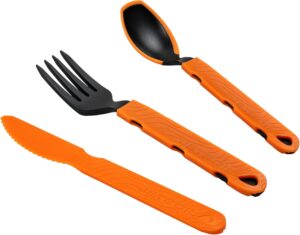
Jetboil TrailWare Backpacking and C…
The perfect outdoor utensil set. Forget about the mess and hassle of cleaning on the trail….
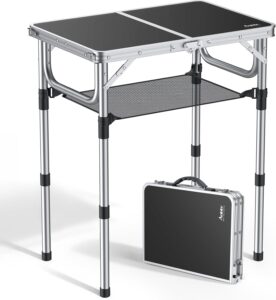
Anbte Folding Camping Table, Alumin…
From the brand Who are we? Young people who love hiking and adventure create a unique…
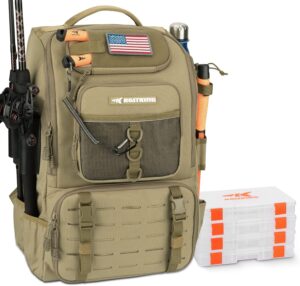
KastKing KarryAll Fishing Tackle Ba…
Product description The video showcases the product in use.The video guides you through product setup.The video…
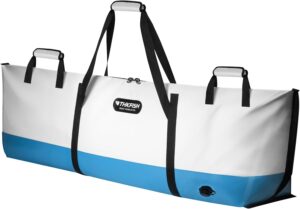
THKFISH Fish Cooler Bag Insulated F…
Product description Wider Handle Wide carrying handles for easy gripping. Waterproof Zipper Help prevent spills and…

MARCHWAY Tactical Molle Hydration P…
From the brand MARCHWAY Hydration Pack Streamlined design, sturdy materials will last for years. March is…

Columbia Men’s Newton Ridge P…
A hiking boot designed with expert craftsmanship for the female hiking enthusiast, the Columbia Newton Ridge…
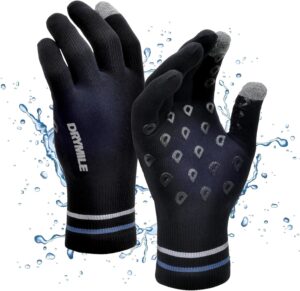
DRYMILE HYLA Waterproof Dexterity G…
Product description 100% Waterproof & Breathable Windproof and waterproof Breathable and Moisture Wicking 3 bonded layer…
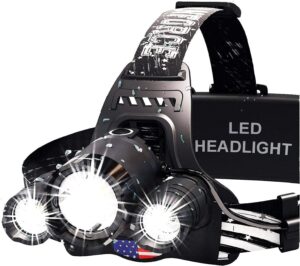
DanForce Headlamp. USB Rechargeable…
From the brand Designed in the US, DanForce headlamp is a HIGH QUALITY LED HEADLAMP. IPX45…