

Buying your first boat is exciting, but safety should be the priority before you leave the dock. A little preparation, the right gear, and practical habits reduce risk and make every trip more enjoyable.
This guide gives new boat owners clear, actionable boating safety tips—from pre-departure checks and essential equipment to anchoring, docking, and emergency response. Use the recommendations to build habits that protect you, your passengers, and your vessel.
Pre-departure checklist: routine that prevents problems
Before every trip, run a consistent pre-departure routine: check fuel, oil, battery charge, bilge pumps, and navigation lights. Verify that floatation devices are accessible and that passengers understand basic safety rules. Keeping a ready kit with core items saves time and prevents last-minute scrambling; consider a compact Marine Safety Kits to consolidate life jackets, signaling gear, and basic first-aid supplies.
Essential onboard safety gear and how to use it
Carry equipment required by local regulations and add items that match your boat type and typical conditions. Fire prevention and suppression are critical—store a rated Boat Fire Extinguishers in easy-to-reach places and learn how to deploy them quickly. Inspect extinguishers for charge and proper mounting before leaving the dock.
Communication and emergency electronics
Reliable communication separates a minor issue from a serious incident. A VHF radio is standard, but for smaller boats or backup, a waterproof, battery-powered device provides lifesaving reach. Keep a dedicated Waterproof Emergency Radios or handheld VHF on board and test them before departure. Carry spare batteries, and program your radio for channel 16 and local harbor channels.
Lighting and visibility: be seen and see clearly
Operate only when your navigation lights are serviceable and visible at the required range. Replace burned-out bulbs, clean lenses, and carry spares. For night operation and low-visibility conditions, use dedicated Boat Safety Lights—they’re compact, bright, and designed for marine mounting. Combine lights with reflective tape on lifejackets and lines to increase visibility in an emergency.
Signaling and attracting help
In case of distress you need simple, loud, and reliable tools. Flares, strobes, and horns are standard, but a small, well-mounted whistle is invaluable for near-shore or low-visibility alarms. Keep a Marine Emergency Whistles on every lifejacket and near the helm—easy to reach and effective for short-range signaling.
Anchoring and boat handling basics
Practice anchoring in calm conditions so you can respond confidently when conditions change. Choose the right anchor type and size for your boat and bottom conditions; a reliable anchor deploys and sets quickly and retrieves without getting fouled. Consider a dependable anchor like the SandShark Premium Fluke Anchor for easy storage and consistent holding power in sand and mud.
Docking, mooring and line management
Good docking starts with preparation: fenders placed correctly, passengers briefed on where to stand, and lines pre-coiled and ready. Use strong, well-maintained dock lines that match your boat’s size and local conditions. Keep extra lines on board and stowed for quick use—products like the 4 Pack 1/2″ x 15’ Boat Dock Lines are pre-spliced and convenient for most small to mid-size boats.
Storage, maintenance and protecting your investment
Long-term safety includes proper storage and routine maintenance. Use covers, clean bilges, winterize systems, and inspect fittings regularly to prevent failures. A heavy-duty boat cover helps prevent UV, water, and debris damage—consider a trusted option like the FOCEAN 1200D Boat Cover for seasonal protection.
Small safety checklist
- Check weather and float plan with a contact ashore.
- Test engine, fuel level, battery, and bilge pump.
- Confirm lifejackets for each person and secure them.
- Inspect Fire Extinguisher(s) and safety lights.
- Charge or carry spare batteries for radios and lights.
- Stow anchor and lines and verify docking gear.
- Carry signaling tools: whistle, flares/strobe, radio.
FAQ
-
Do I need a lifejacket for every passenger?
Yes. Laws vary, but best practice is one Coast Guard–approved lifejacket per person, sized appropriately and easily accessible.
-
How often should I inspect my fire extinguisher?
Inspect visually before each trip; check pressure gauge monthly and have service/replace per manufacturer recommendations.
-
What’s the best way to file a float plan?
Give a written trip plan to a responsible person ashore including departure/return times, route, passenger names, and boat description.
-
When should I use my VHF radio versus a cellphone?
Use VHF for marine distress (channel 16) and routine maritime communications; cellphones are useful as backups where coverage exists.
-
Can I anchor anywhere?
Follow local regulations and avoid restricted areas, fragile habitats, and seagrass beds. Choose a spot with good holding and shelter from wind.
Conclusion
New boat owners benefit most from preparation: build a simple pre-departure routine, carry and maintain core safety gear, and practice skills like anchoring and docking in calm conditions. Start trips with a clear plan, the right tools, and the confidence that you can handle common problems—small investments in gear and training pay off in safety and enjoyment on the water.
Products Featured in This Article

FOCEAN 1200D Boat Covers 15-17ft, W…
From the brand What can we provide? High quality & Best Service FOCEAN is a professional…
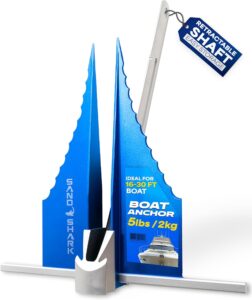
SandShark Premium Fluke Anchor-Retr…
From the brand How did we get our start? SandShark is a family owned, US based…

4 Pack 1/2″ x 15’ Boat Dock…
Product description 1 PROPELTECH’S BOAT ROPES 2 PREMIUM DOCK LINES 3 MARINE-GRADE DOCK LINES 4 BACKUP…