

Outdoor Clothing Tips for Changing Weather
Weather on the trail, at the lake, or in the field rarely stays put. One clear, cool morning can turn into wind, rain, or a blistering sun by afternoon. Smart clothing choices keep you comfortable, safe, and able to focus on the activity instead of the forecast.
These practical tips cover layering, materials, footwear, hand protection, packing, and safety so you can respond to conditions quickly and confidently.
Layering basics: build a flexible system
Layering remains the most reliable strategy for changing weather. Use three core layers: a moisture-wicking base, an insulating midlayer, and a shell. Choose pieces that work together so you can add or remove layers as conditions change. If you typically hunt or hike in mixed seasons, consider options from the Hunting Clothing category for durable, activity-specific garments that prioritize mobility and quietness.
Fabrics and insulation: what to favor
Know what each fabric does. Merino and synthetic baselayers move moisture away from skin; insulated midlayers (synthetic or down) trap warmth; breathable shells vent moisture while shedding precipitation. Prefer synthetic insulation when you need warmth even when damp; down if you need the best warmth-to-weight in dry conditions. Avoid cotton below your outer shell because it retains moisture and chills you quickly.
Footwear for variable conditions
Shoes and boots are often overlooked until your feet complain. Pick waterproof, breathable footwear with good traction and ankle support suited to your terrain. Trail and hiking boots designed for wet roots and rocky slopes reduce slips and blisters. A reliable option for mixed-terrain hiking and quick-drying performance is the Columbia Men’s Newton Ridge waterproof hiking shoe, which balances protection, grip, and durability.
Waterproofing and breathability: find the balance
Waterproof shells keep you dry but can trap sweat if poorly ventilated. Look for jackets and pants with pit zips, adjustable cuffs, and breathable membranes. For heavy rain, a fully waterproof outer is non-negotiable; for light showers with high exertion, a highly breathable shell or a water-resistant softshell can be more comfortable. Replenish seam-seal and DWR treatments before a multi-day trip to keep outer layers performing.
Hands and extremities: protection and dexterity
Hands and feet lose heat fast. Layer gloves or mittens: a thin liner for dexterity, an insulating layer for warmth, and a waterproof shell for wet conditions. For tasks that require precision—adjusting gear, handling tackle, or working zippers—choose gloves that balance grip and touchscreen capability. For all-weather dexterity and reliable grip, consider gloves like the DRYMILE HYLA Waterproof Dexterity Gloves.
Packing and backups: what to carry
Plan clothing based on trip length and exposure. On day trips carry a lightweight shell, an insulating midlayer, a hat, spare socks, and a small emergency insulation layer. For multi-day outings, add a full-change set and extra layers stored dry in a pack. Use a comfortable, organized pack so you can access layers quickly—check the Hunting Backpacks options for models sized and configured for field needs.
Hydration and carry systems
Changing weather often means changing exertion and hydration needs. Rely on a system that keeps clothes organized and water accessible without unpacking everything. A hydration pack with MOLLE compatibility lets you tuck clothing layers and small items into external pockets for quick use. The MARCHWAY Tactical Molle Hydration Pack is an example of a versatile carry solution for day trips where weather is unpredictable.
Safety, visibility, and emergency preparedness
When weather changes, so does risk. Always carry lighting and a basic first-aid kit. A reliable headlamp keeps you visible during sudden storms or short days; a bright, durable option is the DanForce headlamp. For water-based outings or mixedshore operations, complement clothing planning with emergency medical supplies—look at Marine First Aid Kits designed for remote wet environments.
Maintain gear so it performs when you need it
Regular cleaning and care extend the life and performance of your clothing. Wash technical fabrics with products designed for synthetics, restore DWR treatments when water stops beading, and dry down items properly. Inspect seams, zippers, and cuff closures before each trip. Pack small repair items—needle, thread, fabric tape—so you can fix tears in the field and keep layers functional.
Quick checklist
- Layer system: base, mid, shell
- Waterproof breathable shell with ventilation
- Insulation appropriate for expected lows (plus an emergency layer)
- Waterproof, grippy footwear and spare socks
- Dexterous gloves for tasks and a warm pair for downtime
- Accessible pack with organized pockets
- Headlamp and a compact first-aid kit
- Restore DWR and test gear before each trip
Conclusion: practical takeaway
Weather changes quickly; your clothing system should be equally adaptable. Prioritize layering, choose breathable waterproof pieces, protect extremities, and keep critical items accessible in your pack. Test your system on short outings and refine it so you can react quickly when the forecast surprises you.
FAQ
-
What’s the most important single item for changing weather?
A reliable waterproof, breathable shell with good ventilation—it’s the most versatile piece for sudden rain or wind.
-
How many layers should I carry on a day hike?
At minimum: a base layer, a lightweight insulating midlayer, and a waterproof shell. Add a spare hat and socks based on conditions.
-
Are waterproof boots always better than water-resistant?
Waterproof boots are better for wet terrain and deep puddles; water-resistant or quick-dry shoes are lighter and often more comfortable for faster, drier conditions.
-
How do I keep gloves functional in rain?
Use a modular approach: thin liners for dexterity, waterproof shells for wet work, and insulating layers for warmth. Dry liners quickly and rotate pairs if on multi-day trips.
-
What should I pack for a sudden drop in temperature?
An insulating midlayer, an emergency lightweight insulated jacket or blanket, a warm hat, and spare socks—stowed in an easily accessible pocket of your pack.
Products Featured in This Article

MARCHWAY Tactical Molle Hydration P…
From the brand MARCHWAY Hydration Pack Streamlined design, sturdy materials will last for years. March is…

Columbia Men’s Newton Ridge P…
A hiking boot designed with expert craftsmanship for the female hiking enthusiast, the Columbia Newton Ridge…
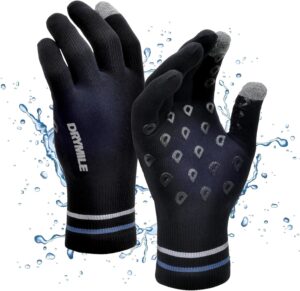
DRYMILE HYLA Waterproof Dexterity G…
Product description 100% Waterproof & Breathable Windproof and waterproof Breathable and Moisture Wicking 3 bonded layer…
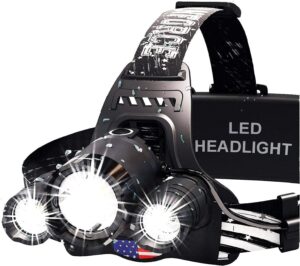
DanForce Headlamp. USB Rechargeable…
From the brand Designed in the US, DanForce headlamp is a HIGH QUALITY LED HEADLAMP. IPX45…