How to Pack Light for Camping, Hiking, and Fishing Trips
Packing light is about making smart choices that cover comfort, safety, and function while keeping weight and bulk to a minimum. Whether you’re hiking a ridge, camping at a lake, or launching a small boat for a day of fishing, efficient packing saves energy, time, and stress.
This guide covers practical decisions and product-focused suggestions to help you trim the excess without compromising what matters: shelter, warmth, food, safety, and the tools you need to enjoy the trip.
1. Choose the right pack and organize by task
Start with a pack sized for the trip: daypacks for short hikes, multi-day packs for backpacking, and specialty bags for fishing. A purpose-built pack with external pockets and rod/gear attachment points keeps frequently used items reachable and prevents digging. If you fish regularly, consider a dedicated option like Fishing Backpacks — they organize tackle, tools, and clothing so you only carry what you need.
2. Prioritize clothing and layering
Adopt the layering system: base layer (moisture-wicking), insulating mid-layer, and a lightweight waterproof shell. Choose items that multi-task: a lightweight fleece that works for evenings around camp and cool mornings on the trail, or convertible pants for hiking and general camp chores. For hunting or trips where scent and concealment matter, pick compact, technical options from Hunting Clothing to match the environment while keeping bulk low.
3. Footwear: fewer pairs, better selection
Bring one versatile pair that covers most conditions. Waterproof hiking shoes with good traction handle wet trails and boat decks; ultralight trail runners often outperform heavier boots on long hikes. If you need rugged traction or ankle support for rough terrain, invest in a purpose-built pair like items listed under Hunting Boots. Packing an extra set of socks and lightweight camp shoes is usually enough — avoid multiple heavy footwear options.
4. Compact cooking: tools, fuel, and portion planning
Minimize cookware and combine functions. A lightweight stove and a single pot that doubles as a kettle and mess kit reduces weight and cleanup. Ultralight utensil sets and collapsible bowls keep volume down. A compact utensil set such as the Jetboil TrailWare Backpacking and Camping Utensil Set saves space and handles eating and basic prep without extra bulk.
5. Small comforts that don’t weigh you down
Coffee, tea, and hot drinks are morale boosters but can add weight. Use a small, efficient kettle or coffee maker designed for backcountry use like the Odoland Camping Coffee Pot. It’s compact, easy to pack, and often replaces bulkier brewers. Choose single-use portions and instant options to cut weight further.
6. Food storage and refrigeration for multi-day or boat trips
Plan meals that minimize containers and trash: dehydrated meals, vacuum-sealed proteins, and pre-measured ingredients. For multi-day fishing or car-camping trips where you need to keep catch or perishables cold, a compact electric or high-quality cooler makes sense. Look for efficient options like Fishing Coolers that balance insulation and capacity so you don’t overpack ice or bulky coolers.
7. Fishing gear: focus on essentials and multi-use tools
Trim your tackle to what you’ll actually use. Pack a few proven lures, one or two rods or combos, and spares of critical consumables like line and leaders. A small multitool or pliers eliminate the need for multiple specialized tools. Keep lines, leaders, and core terminal tackle light and accessible — bring only the sizes and types you expect to use that day. If you rely on electronics to find fish, include compact options under Fish Finders that save time on water and reduce the need to carry extra gear or hunt spots by trial and error.
8. Safety, first aid, and redundancy without the bulk
Safety gear is non-negotiable but can be compact. A small, well-stocked first-aid kit, a headlamp, a reliable map/compass or GPS, and basic repair items (duct tape, cordage, multi-tool) cover most emergencies. For boating and marine-adjacent trips, choose a compact, purpose-built kit like those in Marine First Aid Kits that include supplies tailored to cuts, sun exposure, and water-specific incidents. Pack redundant communication or signaling options but keep each item lightweight.
Checklist: Pack Light Essentials
- Right-sized pack with task-specific pockets
- Layered clothing: base, mid, shell
- Versatile footwear + spare socks
- Compact stove, single pot, utensil set
- Small coffee/boil system (optional)
- Lightweight food, resealable bags, small cooler if needed
- Minimal fishing kit: 1–2 rods, core lures, spare line
- Marine/first-aid kit and signaling device
- Repair kit: cordage, tape, multi-tool
FAQ
Q: How do I decide what not to bring?
A: Ask whether each item serves more than one purpose, replaces a heavier item, or removes a real risk. If not, leave it out.
Q: Can I combine camping and fishing gear in one bag?
A: Yes — choose a pack with compartments for wet/dry separation and use modular pouches. A fishing-specific pack with general storage can work for both; see options under Fishing Backpacks if you prioritize tackle organization.
Q: What’s the best way to keep food fresh without a big cooler?
A: Use dehydrated meals and vacuum-sealed proteins for long trips. For short car or boat trips, a high-efficiency cooler such as those in the Fishing Coolers category will maintain ice longer and let you carry less overall.
Q: How much first aid is enough?
A: Enough to treat common outdoor injuries: cuts, blisters, sprains, and minor burns. For marine trips, pick a kit tailored to water-related issues and extra-bandaging items; compact marine kits are available in the Marine First Aid Kits selection.
Q: Do electronics add too much weight?
A: Electronics should earn their place by saving time, increasing safety, or improving success. Lightweight fish-finding or navigation units can reduce the need for extra trips or redundant gear. Consider compact units in the Fish Finders range for efficient water use.
Conclusion
Packing light is a process: plan with intent, choose multi-use items, and prioritize safety. Trim unnecessary duplicates, test your setup on an overnight trip, and adjust. The practical takeaway: pack for the essential functions — shelter, warmth, food, and safety — and pick compact, task-focused gear that does multiple jobs well.
Products Featured in This Article
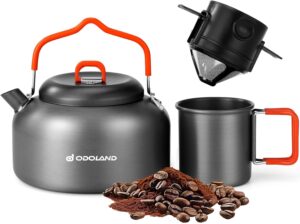
Odoland Camping Coffee Pot Camping …
Product description The Perfect Camping Coffee Maker Set – The stove top coffee maker set come…
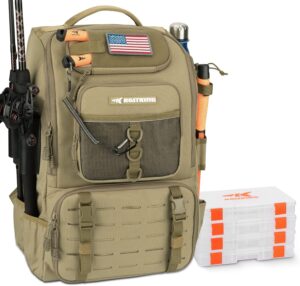
KastKing KarryAll Fishing Tackle Ba…
Product description The video showcases the product in use.The video guides you through product setup.The video…