Camping reconnects you with the outdoors, but it also places you away from services and shelters. A few practical safety habits and the right gear reduce risk, let you respond to problems faster, and help everyone enjoy the trip more.
This guide collects proven camping safety tips for planning, gear, and on-site practices. Read through the sections and use the checklist to prepare for your next outing.
Plan and prepare: routes, weather, and campsites
Before you head out, research the trail or campsite, check multi-day weather forecasts, and leave your itinerary with a trusted friend. Scouting unfamiliar terrain from a distance helps you pick a safe site and spot hazards—binoculars are useful for this: Nocs Provisions 10×25 binoculars provide compact, waterproof optics for route and wildlife observation before you commit to a campsite.
Wear the right footwear and layer for conditions
Footwear determines how well you handle uneven ground, creek crossings, and long approaches. Choose supportive, waterproof hiking shoes or boots with good tread and ankle support for rough trails. For reliable traction and waterproofing, consider footwear like the Columbia Newton Ridge waterproof hiking shoes, and always break in new shoes before a multi-day trip. Layer clothing to control heat and moisture: base layer to wick sweat, insulating mid-layer, and a waterproof outer shell.
Light, visibility, and navigation
Being able to move safely at night is essential. Carry at least two light sources: a headlamp as your primary hands-free light and a small backup flashlight. A quality rechargeable headlamp gives long runtimes and consistent output—check options like the DanForce USB-rechargeable headlamp. Pack spare batteries or a charging plan (power bank or solar) if your route lacks power.
Hydration strategy and water safety
Dehydration and contaminated water are common causes of problems on the trail. Carry a water capacity that matches your daily exertion and climate, and bring a reliable treatment method (filter, chemical drops, or UV). A dedicated hydration pack simplifies access while hiking; a rugged model like the MARCHWAY tactical hydration pack integrates a 3L bladder and storage for tools—handy for longer day hikes and technical terrain.
Food safety and keeping perishables cold
Protect food from spoilage and animals. Store perishable items in an insulated cooler with plenty of ice or frozen blocks, and set it in shade to slow melting. For fishing or day trips where you need to keep catches or perishables cold, an insulated kill bag or cooler such as the THKFISH insulated cooler bag offers a compact way to preserve food safely.
Shelter, packing, and gear protection
Pick a campsite above high-water lines and out of avalanche or rockfall zones. Keep electronics, spare clothing, and matches dry using waterproof storage—dry bags and waterproof duffels protect gear during heavy rain or river crossings. For reliable protection of packed gear, consider a robust waterproof bag like the HEETA 50L waterproof dry bag to prevent soaked supplies from creating cold-related problems and equipment failure.
Tools, multi-purpose items, and first-response gear
A few well-chosen tools reduce accidents and let you manage small injuries or gear failures. Carry a compact first-aid kit, a multi-tool, cordage, and a quality pair of pliers for cutting, hook removal, or small repairs. A corrosion-resistant multi-tool like stainless steel fishing pliers doubles as a camp tool when you need needle-nose precision or a quick wire cutter.
Cooking setup and stable surfaces
Most campground fires and cook-related incidents stem from unstable cooking setups. Use a dedicated, level surface for stoves and grills to prevent spills that can cause burns or wildfires. Lightweight, portable tables work well—an adjustable small table like the Anbte folding camping table creates a stable base for stoves and food prep and keeps hot gear off flammable ground cover.
Quick safety checklist
- Share your plan and estimated return time with someone not on the trip.
- Pack layered clothing and waterproof footwear (broken-in).
- Bring reliable lighting plus spare power or batteries.
- Carry at least 2–3 liters of water per person/day or water treatment options.
- Store food securely and use an insulated cooler for perishables.
- Pack a compact first-aid kit, multi-tool, and a small repair kit.
- Set stoves on a stable table and keep fire control tools (water, shovel) nearby.
- Protect electronics and spare layers with a waterproof dry bag.
Frequently Asked Questions
- What should I do if I get lost?
Stop, stay calm, and use your map and compass or GPS to reorient. If you can’t find your way, stay put in a visible location, conserve energy, and use your whistle or signaling device to attract attention.
- How much water should I carry?
Carry at least 2–3 liters per person for a day hike in moderate conditions; increase that amount in hot weather or with heavy exertion. Use a hydration system for easy access while moving.
- How do I store food to avoid wildlife encounters?
Use bear-resistant canisters where required, hang food in a bear bag away from camp if allowed, or secure food in a locked vehicle. Never leave food or scented items in your tent.
- What are the most important items in a first-aid kit?
Include adhesive bandages, sterile gauze, tape, antiseptic, tweezers, blister care, pain relievers, and any personal medications. Tailor the kit size to group size and trip duration.
- Is lighting necessary if I’m only camping one night?
Yes. Even a single night can include tasks in the dark—setting up shelter, finding gear, or responding to an emergency. A headlamp keeps hands free and reduces trip hazards.
Conclusion — one practical takeaway
Prioritize preparation: reliable footwear, waterproof protection for critical gear, dependable light, and a hydration plan. These few choices prevent most common camping problems and let you focus on enjoying the outdoors safely.
Products Featured in This Article
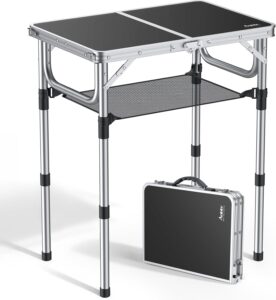
Anbte Folding Camping Table, Alumin…
From the brand Who are we? Young people who love hiking and adventure create a unique…

Stainless Steel Fishing Pliers,Need…
To calculate the overall star rating and percentage breakdown by star, we don’t use a simple…
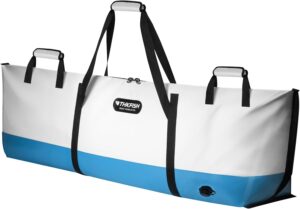
THKFISH Fish Cooler Bag Insulated F…
Product description Wider Handle Wide carrying handles for easy gripping. Waterproof Zipper Help prevent spills and…

MARCHWAY Tactical Molle Hydration P…
From the brand MARCHWAY Hydration Pack Streamlined design, sturdy materials will last for years. March is…

Columbia Men’s Newton Ridge P…
A hiking boot designed with expert craftsmanship for the female hiking enthusiast, the Columbia Newton Ridge…

Nocs Provisions Standard Issue 10&#…
Product description 1 STANDARD ISSUE 25MM 2 ZOOM TUBE 32MM 3 FIELD ISSUE 32MM 4 PRO…
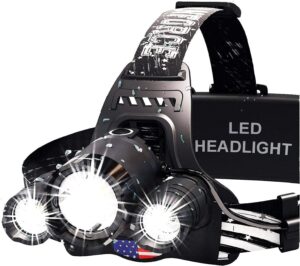
DanForce Headlamp. USB Rechargeable…
From the brand Designed in the US, DanForce headlamp is a HIGH QUALITY LED HEADLAMP. IPX45…

HEETA Waterproof Motorcycle Dry Bag…
Product description 1 Reflective Design 2 Multiple Colors 3 Double Reinforcement 4 Product Details 1 Single…