
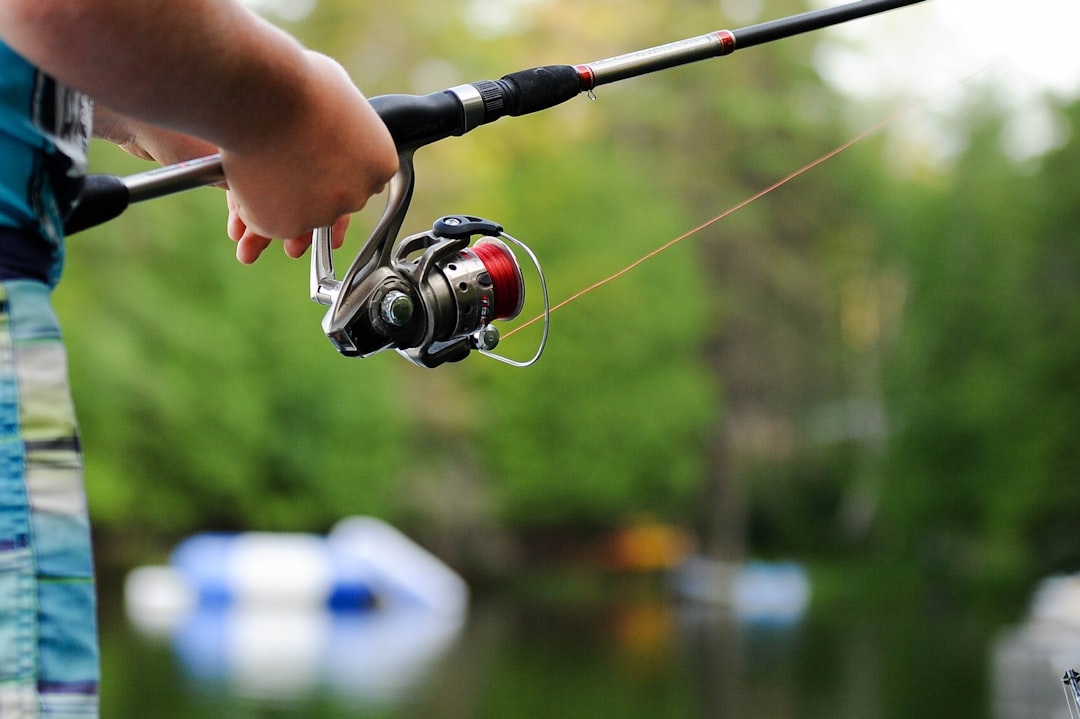
Fishing on lakes, rivers, or from a boat is one of the most rewarding outdoor activities, but it comes with hazards that anglers and boaters must manage deliberately. Good preparation, the right gear, and situational awareness reduce risk and make trips safer and more enjoyable.
This guide covers practical safety tips for shore and boat fishing across inland waters. Follow these habits every time you go out, from checking equipment to handling fish and emergencies.
Preparation and essential gear
Before you leave, check weather, water level reports, and local advisories. Pack a compact kit that includes a first-aid basic, sun protection, drinking water, and a light source. Carrying your gear in a purpose-built pack keeps hands free and items organized—consider a dedicated fishing backpacks to distribute weight and protect tackle.
Navigation, electronics, and situational awareness
On larger lakes and when boating, use reliable navigation and depth tools so you know where hazards, channels, and shallow spots are. Modern units also help you mark safe anchorages and recovery points—shop for quality marine electronics that fit your boat and skill level. Even a basic chartplotter or GPS can prevent getting disoriented in fog or near shorelines.
Boat handling and anchoring basics
Safe maneuvering starts slow: approach docks, rocks, and shoals at idle speed. Assign one person to act as spotter when backing or landing. A properly sized anchor and a known deployment plan are critical when you want to stop in current or near structure—review anchor options and carry a trusted boat anchors suited to your bottom type.
Mooring, docking, and fender use
Spend time learning good docking technique: prepare lines and fenders before you arrive, anticipate wind or current pushes, and have passengers ready to step off safely. Use high-quality lines and pre-spliced dock lines so you can secure quickly without fumbling—keep a set of boat dock lines tailored to your boat length and marina conditions. Protect the hull and other craft with appropriate boat fenders placed at contact points.
River-specific hazards and strategies
Rivers present moving-water risks: strong currents, strainers (overhanging branches and submerged obstacles), and sudden drops. Approach eddies and current seams cautiously; position the boat to avoid being pushed into hazards. When wading, use a strong stick for balance and work upstream to avoid being overcome by current. If you’re anchoring or fishing from a stationary position, keep your transom pointed into current to maintain control and avoid broaching.
Catch handling, hooks, and personal safety
Handling fish and hooks causes many common injuries. Use long-nose and cutting tools to remove hooks instead of hands when practical—stainless options and dedicated designs reduce slippage. A quality set of fishing pliers and cutters should be in easy reach on every trip. For landed fish, a proper net helps control the fish and reduces handling time—consider a reliable fishing net with a comfortable handle and rubberized mesh to protect skin and hooks.
Catch storage, sanitation, and temperature control
Keeping your catch at safe temperatures prevents spoilage and keeps boat surfaces sanitary. Use insulated, well-draining storage so ice and meltwater don’t pool. For extended trips and larger hauls, a purpose-built fishing cooler or insulated kill bag keeps fish fresh until you return to shore. Clean surfaces and properly stow bait to reduce odors and cross-contamination.
Night and low-visibility fishing
Night fishing increases collision and fall risk. Make sure navigation lights are functioning and use additional onboard lighting to illuminate decks and work areas. Have spare batteries and a hands-free headlamp available. Keep a safe speed, post a lookout, and mark your boat position if you plan to drift or anchor near channels. Maintain clear communication with crew about movement and rod handling to avoid accidental hooks.
Emergency planning and communication
Draft a short float plan for every outing: where you’ll launch, your route, who’s with you, and expected return time. Establish an emergency chain-of-command onboard and designate who carries a phone in a waterproof case. Pack at least one reliable marine-grade communication method, and make sure everyone knows how to operate it. In places with limited cell coverage, prioritize gear that gives you a redundant way to call for help.
Checklist: Pre-launch and on-water safety
- Check weather, tide/current reports, and local advisories.
- Wear/bring personal flotation suitable for activity and water temperature.
- Stow basic first aid, sun protection, and drinking water.
- Confirm navigation and depth devices are functional.
- Prepare dock lines and fenders before docking.
- Carry pliers, a net, and a cooler for safe fish handling and storage.
- File a float plan or alert a responsible person to your trip details.
FAQ
- Q: What life jacket should I bring? A: Choose a Coast Guard–approved life jacket rated for your activity and body size; inflatable PFDs offer comfort for boat anglers but check compatibility with your boat’s requirements.
- Q: How do I reduce the chance of getting hooked? A: Keep a clear cast area, wear gloves when handling trebles, use pliers to remove hooks, and secure loose baits and lures while moving around the boat.
- Q: Is it safe to fish alone on rivers? A: Solo fishing on flowing water increases risk—if you must go alone, tell someone your plan, stay in shallow reachable zones, and avoid wading in fast current.
- Q: How should I prepare for sudden weather? A: Monitor forecasts before and during the trip, have a quick-plan to reach shelter or shore, and carry layered waterproof clothing and essential gear in a dry pack.
- Q: What’s the best way to land a big fish from a boat? A: Keep the fish calm by chasing its head to tire it, use a net to control it near the gunnel, and have pliers ready to remove hooks quickly to minimize handling time.
Fishing safety comes down to planning, the right gear, and disciplined behavior on and near the water. Pack smart—use a proper backpack, keep communication tools handy, and carry tools for landing and handling fish. When you respect conditions and follow basic procedures, you’ll reduce risk and spend more time enjoying the catch.
Products Featured in This Article
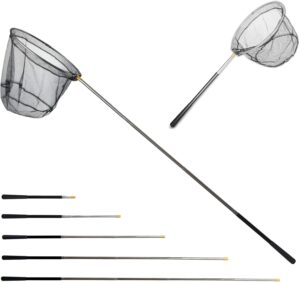
Fishing Landing Net with Aluminum T…
Always keep the telescopic pole locked when not in use to prevent accidental extension. Be cautious…