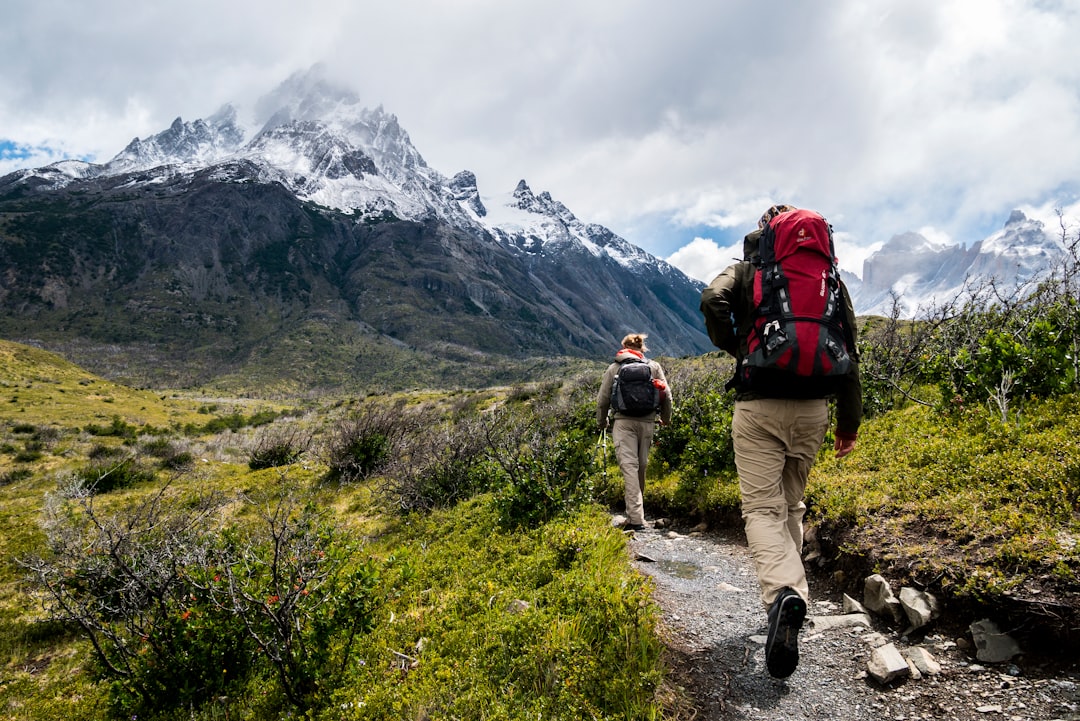
Day hikes are the most accessible way to get outdoors: low commitment, high payoff. A thoughtful gear checklist keeps your trip comfortable, safe, and focused on the trail instead of shortages or fuss. This guide breaks down what to bring for day trips—what’s essential, what’s situational, and how to pack it efficiently.
Use this checklist every time you head out for a few hours up to a full day. The goal is reliable, minimal gear: items that earn their space and weight in your pack and make the outing more enjoyable.
Footwear: Choose purpose-built shoes
Proper shoes reduce fatigue, improve stability, and prevent blisters. For moderate trails with mixed terrain look for waterproofing, solid tread, and ankle support when necessary. If your route includes slick roots, mud, or creek crossings, a waterproof hiking shoe with good traction is a safer bet than a running shoe.
Consider boots or shoes with a proven track record—examples like the Columbia Men’s Newton Ridge Plus II Waterproof Hiking Shoe offer a balanced combination of waterproofing and comfort for day hikes.
Pack and Hydration: Right size, easy access
For day trips a 12–25 liter pack is usually ideal: enough room for extra layers, food, and emergency gear without excess bulk. Key features to look for include a padded hip belt for load transfer, a sternum strap for stability, and pockets for quick-access items.
Hydration is non-negotiable. A hydration pack that integrates a bladder makes sipping easy on the move and streamlines weight distribution. If you want a purpose-built daypack with hydration capacity, check options like the MARCHWAY Tactical Molle Hydration Pack.
Clothing and layering: Be temperature- and weather-aware
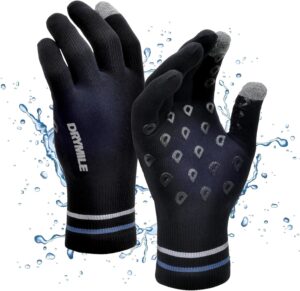
Dress in layers you can add or remove as exertion and weather change. Start with moisture-wicking base layers, add an insulating mid-layer if needed, and carry a lightweight shell for wind and rain. On cool mornings, thin gloves can make a big difference in comfort at the trailhead and during stops.
If your hike includes wet or chilly conditions, dexterity and waterproofing matter. Lightweight, touchscreen-friendly gloves such as the DRYMILE HYLA Waterproof Dexterity Gloves keep hands warm and usable without bulk.
Navigation, lights and safety
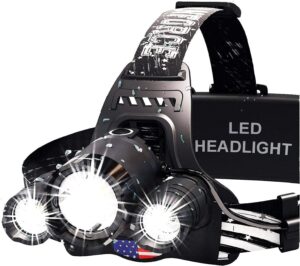
Even on familiar trails bring a map or a downloaded route on your phone and know how to use them. A reliable headlamp is critical if you might finish after dusk, explore early starts, or need hands-free light during an emergency.
A compact, bright headlamp like the DanForce Headlamp offers USB rechargeability and multiple output modes—features that reduce the need for extra batteries and increase reliability.
Food, snacks and small cook kit
Plan for calorie-dense, easy-to-eat items: trail mix, energy bars, sandwiches, and compact fruit. Pack foods in resealable bags to save space. If you like hot drinks or a warm snack on the trail, carry a small, lightweight brew or cook system rather than a bulky stove.
A compact kettle or coffee pot can be surprisingly lightweight and rewarding on a chilly morning. The Odoland Camping Coffee Pot is sized for day trips and pairs well with a minimal utensil kit like the Jetboil TrailWare Backpacking and Camping Utensil Set, which collapses small and is easy to clean in the field.
Optional field gear: optics and observation tools
If your hike includes birding, wildlife viewing, or landscape scouting, a compact pair of binoculars enhances the experience without adding much weight. Choose a small waterproof pair with quality optics and wide field of view to maximize sightings and reduce eye strain.
For dependable optics that won’t weigh you down on a day trip, consider the Nocs Provisions Standard Issue 10×25 Waterproof Binoculars.
Comfort items and lightweight furniture for picnic stops
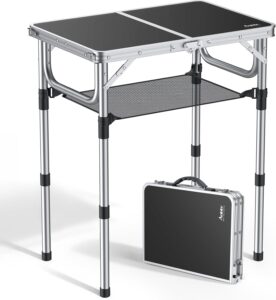
Not every day hike needs a chair, but if you frequently take picnics, have mobility issues, or do photography and want a stable surface, lightweight foldable gear can help. A mini table can make meal breaks tidier and protect food from dirt or insects when set up near the trailhead or a campsite.
For car-to-trail day trips where you want a little extra comfort, an option like the Anbte Folding Camping Table is compact and useful for longer lunch breaks.
Small checklist
- Daypack (12–25 L) with hydration or water bottle
- Footwear appropriate to terrain (broken-in hiking shoes)
- Layers: base, insulating mid-layer, waterproof shell
- Headlamp and spare batteries or USB charge cable
- Navigation: map, compass, or offline GPS route
- Food and snacks; small stove or coffee pot if desired
- First-aid kit, multi-tool, sun protection
- Trash bag and basic repair kit (duct tape, cord)
- Optional: binoculars, lightweight table for comfort
FAQ
Q: How much water should I carry for a day hike?
A: Aim for at least 1 liter for short, easy hikes and 2–3 liters for hot, strenuous, or remote routes. Increase water for high heat or heavy exertion.
Q: Is it worth carrying a stove or coffee pot on a day hike?
A: It depends on priorities. A small coffee pot or alcohol stove adds weight but provides warm drinks and hot food, which can be valuable in cold conditions or for morale. If weight matters most, stick to cold meals and high-calorie snacks.
Q: What footwear choices are best for mixed terrain?
A: Waterproof hiking shoes with good tread and toe protection work well for mixed trails. If you expect heavy mud or serious scree, consider dedicated hiking boots for ankle support.
Q: What should I do if my hike takes longer than expected and it gets dark?
A: Stop moving if you’re uncertain of the route and set up a safe resting spot. Use your headlamp, conserve phone battery, and use your map/compass to reorient. A headlamp like the one recommended above should be part of your pack for this reason.
Q: How do I pack food to stay fresh and minimize smell for wildlife?
A: Use resealable bags and smell-proof containers when possible. Keep food sealed until you eat, store it in your pack outside your tent if overnighting, and pack out all trash. For day hikes, solid containers and immediate disposal reduce wildlife interactions.
Conclusion
For day trips, prioritize comfort, hydration, and weather-appropriate clothing. Use a compact pack, wear reliable shoes, and carry small tools that make life on the trail easier—like a headlamp, compact cookware, and lightweight optics if you want them. The right gear makes the hike safer and more enjoyable without overpacking.
Products Featured in This Article
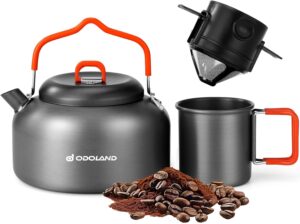
Odoland Camping Coffee Pot Camping …
Product description The Perfect Camping Coffee Maker Set – The stove top coffee maker set come…
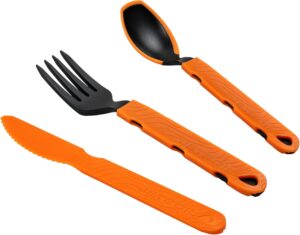
Jetboil TrailWare Backpacking and C…
The perfect outdoor utensil set. Forget about the mess and hassle of cleaning on the trail….
Anbte Folding Camping Table, Alumin…
From the brand Who are we? Young people who love hiking and adventure create a unique…

MARCHWAY Tactical Molle Hydration P…
From the brand MARCHWAY Hydration Pack Streamlined design, sturdy materials will last for years. March is…

Columbia Men’s Newton Ridge P…
A hiking boot designed with expert craftsmanship for the female hiking enthusiast, the Columbia Newton Ridge…
DRYMILE HYLA Waterproof Dexterity G…
Product description 100% Waterproof & Breathable Windproof and waterproof Breathable and Moisture Wicking 3 bonded layer…

Nocs Provisions Standard Issue 10&#…
Product description 1 STANDARD ISSUE 25MM 2 ZOOM TUBE 32MM 3 FIELD ISSUE 32MM 4 PRO…
DanForce Headlamp. USB Rechargeable…
From the brand Designed in the US, DanForce headlamp is a HIGH QUALITY LED HEADLAMP. IPX45…