Building a simple outdoor emergency kit doesn’t have to be complicated or expensive. With a few well-chosen items and a reliable carry system you can handle common situations—lost trail, sudden weather, minor injuries, or equipment failure—until help arrives or you get back to safety.
This guide walks you through practical choices for a compact, multi-use emergency kit you can stash in your pack, vehicle, or boat. Focus on essentials: shelter, warmth, water, light, navigation, and tools—organized so you can access what you need quickly.
1. Pack and organization: choose the right carrier
Start with a durable, organized pack that separates gear for easy access. A dedicated tackle-style or daypack with multiple compartments keeps first aid, tools, and shelter from getting jumbled. Consider a purpose-built bag that offers external attachment points and sturdy zippers to handle outdoor use, like the KastKing KarryAll Fishing Tackle Backpack, which is roomy and designed for rugged field use.
2. Water and hydration
Water is non-negotiable. Carry at least one liter per person for short trips and three liters for longer outings, and include a way to treat water (chemical tablets or a lightweight filter). For convenient everyday carry, a hydration pack works well because it keeps hands free and encourages regular sipping. A tactical hydration pack like the MARCHWAY Tactical Molle Hydration Pack integrates a bladder and pockets for quick access to small tools and first-aid items.
3. Shelter, warmth and fire
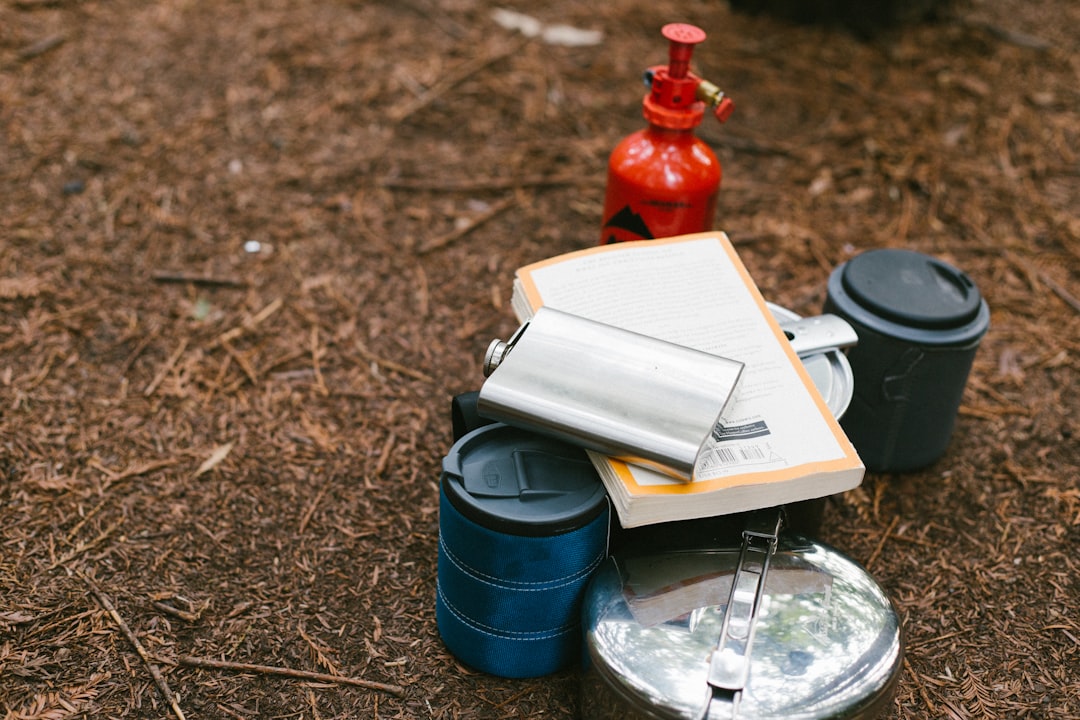
Pack simple, lightweight options: an emergency bivy or space blanket, a small tarp and a length of cord, and a compact lighter or ferro rod. Layering materials—an emergency blanket plus an insulating layer (wool or synthetic)—will help retain heat. Store matches or a lighter in a waterproof container and practice using your fire-starting tools before heading out. A small collapsible stove or compact cookware can be useful if you need to boil water or heat food, but prioritize items with multi-purpose value.
4. Light, signaling and visibility
Reliable lighting and the ability to signal for help are critical after dark. A bright headlamp frees your hands for tasks and navigation; choose a rechargeable, high-lumen model with red-light mode to preserve night vision. For a dependable option in your kit, include a long-running headlamp such as the DanForce Headlamp. USB Rechargeable…. Also pack a whistle, signal mirror, and a few chem lights for roadside or nighttime signaling.
5. Navigation and communication
Even on familiar trails, a map and compass are essential because electronics can fail. For trips on water or when you need more advanced electronics, consider carrying compact marine electronics for navigation and location awareness. A basic marine GPS or combined chartplotter/fish-finder provides redundancy and accurate positioning—see options in the Marine Electronics category for units suited to small boats and kayaks. Also carry a fully charged phone in a waterproof case and, when possible, a portable battery bank.
6. Tools, repair and multipurpose items
Small, reliable tools save many outings: a fixed-blade or folding knife, a multi-tool, duct tape wrapped around a pen, and a compact repair kit for gear (needle, cord, spare zipper pulls). A set of corrosion-resistant pliers is handy beyond fishing uses—they can cut line, crimp, and do light repairs. Include a sturdy pair such as Stainless Steel Fishing Pliers,Need… for reliable gripping and minor repairs in wet conditions.
7. Food, cooking and preservation
Pack compact, calorie-dense food that won’t spoil quickly: energy bars, nuts, and dehydrated meals. A small cookware kit and utensil set paired with a fuel source lets you rehydrate meals and boil water safely—consider the lightweight Jetboil TrailWare Backpacking and C… for efficient, low-weight eating tools. If you’re traveling by water or need to keep catch or perishables cold for longer, an insulated fish/food cooler such as the THKFISH Fish Cooler Bag Insulated F… helps preserve food and medications that need to stay cool.
8. Water safety and flotation
If your activities bring you near or on the water, flotation and recovery items are part of the emergency kit. A properly sized life jacket is the primary defense and should be worn when conditions demand it—browse certified options in the Life Jackets category. For quick rescues or boat recoveries keep one throwable flotation device accessible; they’re compact and effective for reaching someone in the water—see the Throwable Flotation Devices category for suitable models.
Small checklist: the simple kit
- Carrier: rugged daypack or tackle backpack
- Water: 1–3 L + treatment method (filter or tablets)
- Warmth/shelter: emergency bivy, space blanket, tarp, cord
- Light/signaling: headlamp, whistle, mirror, chem lights
- Navigation: map, compass, charged phone, marine electronics if boating
- Tools: knife, multi-tool, stainless pliers, duct tape
- Food/cooking: high-calorie food, utensil set, small stove option
- Water safety (if applicable): life jacket, throwable flotation device
- First aid: basic kit tailored to your group and trip length
FAQ
Q: How compact can an emergency kit be?
A: For day trips a single small pack (6–10 liters) can hold a minimalist kit; for multi-day or vehicle kits use a larger bag. Prioritize items that serve multiple functions.
Q: What should I keep in the car kit vs. my daypack?
A: The car kit can be bulkier—include extra water, blankets, and tools. Your daypack should carry essentials for immediate survival: shelter, water treatment, light, navigation, and a small first-aid kit.
Q: How often should I check my kit?
A: Inspect gear before each season and after heavy use: check batteries, replace expired items, and ensure waterproofing is intact.
Q: Do I need specialized gear for boating?
A: Yes—wear a suitable life jacket, carry a throwable flotation device, and consider marine-grade navigation/communication gear for prolonged water travel.
Q: Can I rely on my phone for navigation and SOS?
A: Phones are valuable but not failproof—carry backup navigation (map and compass) and a portable charger. On water, portable marine electronics add redundancy.
Conclusion
A simple outdoor emergency kit is about smart choices and redundancy. Start with a tough pack, ensure hydration and warmth, add dependable light and navigation, and include multipurpose tools. Tailor contents to your activity—boat, hike, or drive—and check items regularly. A small, well-organized kit increases your resilience and confidence outdoors.
Products Featured in This Article
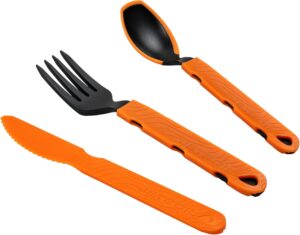
Jetboil TrailWare Backpacking and C…
The perfect outdoor utensil set. Forget about the mess and hassle of cleaning on the trail….

Stainless Steel Fishing Pliers,Need…
To calculate the overall star rating and percentage breakdown by star, we don’t use a simple…
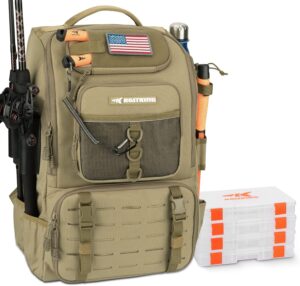
KastKing KarryAll Fishing Tackle Ba…
Product description The video showcases the product in use.The video guides you through product setup.The video…
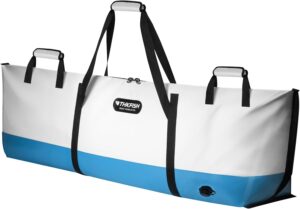
THKFISH Fish Cooler Bag Insulated F…
Product description Wider Handle Wide carrying handles for easy gripping. Waterproof Zipper Help prevent spills and…

MARCHWAY Tactical Molle Hydration P…
From the brand MARCHWAY Hydration Pack Streamlined design, sturdy materials will last for years. March is…
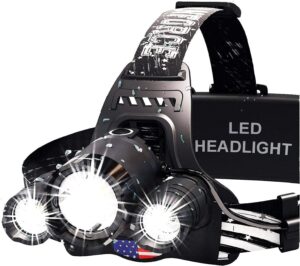
DanForce Headlamp. USB Rechargeable…
From the brand Designed in the US, DanForce headlamp is a HIGH QUALITY LED HEADLAMP. IPX45…