
How to Choose the Right Camping Spot
Choosing a campsite is one of the most important decisions you’ll make on any outdoor trip. The right spot keeps you comfortable, safe, and ready for whatever the weather or wildlife may throw at you. This guide gives practical, field-tested criteria to evaluate potential sites quickly and confidently.
We’ll cover approach, ground conditions, water and fire considerations, safety, and simple gear choices that help you make better decisions. Read through the sections, use the checklist, and keep the FAQs handy for common on-trail questions.
Start with Rules, Access, and the Approach
Before you set your pack down, confirm local rules and land-use restrictions—some areas restrict tenting zones, fires, or group sizes. Think about accessibility: how far will you carry gear from the trail or water? Shoes and trail footwear influence what terrain you can comfortably approach and exit; a reliable waterproof hiking shoe can make rocky or muddy approaches manageable. Consider sturdy trail shoes like the Columbia Men’s Newton Ridge for stable, waterproof footing when scouting sites.
Assess Terrain, Drainage, and Ground Quality
Look for flat areas large enough to accommodate your sleeping arrangement and gear without slope under your sleeping pad. Avoid pits (cold air traps) and ridgelines that experience the strongest winds. Test drainage: after heavy rain, will water run through or pool? Choose well-drained soils or compacted gravel banks over loose leaf litter that can soak through.
Surface hardness matters for comfort and setup. If the ground is rocky or full of roots, you’ll want a site that allows a raised or portable surface for cooking and gear. A compact camp table like the Anbte Folding Camping Table gives a stable work and food-prep area when the ground isn’t ideal.
Water Access and Boating Considerations
If you’re camping near water, evaluate shoreline slope, tides or outflow, and boat access points. For boat-in camping, choose a site that offers safe anchoring or secure tie-offs. Know whether you’ll need to anchor off-shore or haul to a hard sand bar; category gear like Boat Anchors is essential knowledge for campers arriving by water. Avoid sites with steep banks that can erode underfoot or become hazardous in high water.
Fire, Food Storage, and Wildlife
Check local fire regulations and available fire rings. If fires are allowed, pick a site with an established ring on bare soil or rock to minimize impact. For food storage, choose a spot where you can hang or safely store food away from sleeping areas and animal travel corridors. Insulated, wildlife-resistant coolers and storage solutions are helpful when camping near lakes and rivers; browse category options like Fishing Coolers for ideas on keeping perishable items secure and chilled while you camp.
Plan for Activities: Fishing, Views, and Privacy
Consider how your campsite supports the trip’s activities. If fishing is a focus, proximity to a launch, shallow bank, or a sheltered cove can save time and effort. For anglers, practical accessories—like an insulated catch bag—help manage the day’s haul; a product such as the THKFISH Fish Cooler Bag keeps catch fresh when shore space is limited.
Also weigh privacy and noise. A campsite tucked behind a stand of trees or an outcrop may block wind and reduce visibility from trails, but make sure it isn’t in a wetland or a fragile vegetation patch.
Scouting, Views, and Terrain Advantages
Before you commit, walk potential vantage points. Higher ground often gives better drainage, fewer insects, and safer visibility for approaching weather or wildlife. Use optics to scan the area: a compact pair of waterproof binoculars makes it easy to check ridgelines, trail intersections, and distant human activity without disturbing the area. Consider tools like the Nocs Provisions 10×25 Binoculars when you want a quick look before committing to a site.
Nighttime, Lighting, and Camp Layout
Plan how you’ll move after dark. Keep the tent interior separated from cooking and food storage by distance and/or lines of sight. Reliable lighting makes late-night navigation and chores safer; a durable headlamp improves hands-free setup and tent entry. A dependable option is the DanForce Headlamp, which is useful for late-night tasks and emergency signaling.
Safety, Emergency Planning, and Communication
Choose a site that minimizes risk and improves response time. If cell coverage is unreliable, consider alternatives for emergency alerts and weather updates. Waterproof, purpose-built emergency radios and communication devices are crucial for wilderness camping, especially near water or in remote valleys; check options like Waterproof Emergency Radios to maintain contact and get weather updates when they matter most.
Quick Campsite Checklist
- Legal and permitted for camping (check signage and land rules).
- Flat, well-drained ground for tent and sleeping pad.
- Safe distance from water, cliff edges, and animal paths.
- Established fire ring or safe alternative for cooking.
- Food storage location and plan (bear bag, cooler, locker).
- Protected from prevailing wind while not in a cold-air trap.
- Clear ingress/egress route for evacuation if needed.
- Night lighting and emergency communication devices available.
FAQ
Q: How close to a water source should I camp? A: Generally 200 feet (about 60 meters) is a good minimum to protect water quality and reduce wildlife encounters, unless local rules specify otherwise.
Q: What if the only flat ground is in a marshy area? A: Avoid marshy areas. Seek slightly higher ground nearby—even a small rise improves drainage and reduces insect pressure.
Q: How do I minimize my impact when choosing a campsite? A: Use established sites when possible, avoid fragile vegetation, and keep camps within durable surfaces such as rock, gravel, or hardened soil.
Q: What’s the safest way to store food at a lake campsite? A: Use bear-resistant containers or hang food from a high branch away from camp. If fishing, an insulated fish bag or cooler helps keep catch secure and out of tents; plan storage away from sleeping areas.
Q: How do I pick a site in high-wind conditions? A: Find leeward shelter behind large rocks, ridgelines, or dense tree stands. Avoid exposed ridgelines and tall, isolated trees that can attract lightning.
Conclusion — Practical Takeaway
Choose a campsite by balancing safety, comfort, and environmental responsibility: check access and rules, prioritize flat well-drained ground, plan for water and food storage, and carry the right kit for night and emergencies. A quick walk-around with a checklist, a reliable headlamp, and a solid emergency radio will make the difference between a stressful night and one that’s secure and restorative.
Products Featured in This Article
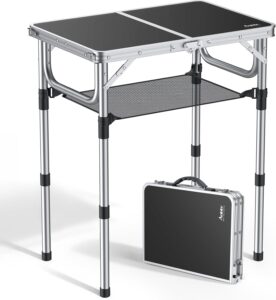
Anbte Folding Camping Table, Alumin…
From the brand Who are we? Young people who love hiking and adventure create a unique…
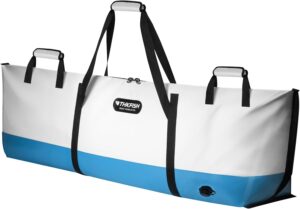
THKFISH Fish Cooler Bag Insulated F…
Product description Wider Handle Wide carrying handles for easy gripping. Waterproof Zipper Help prevent spills and…

Columbia Men’s Newton Ridge P…
A hiking boot designed with expert craftsmanship for the female hiking enthusiast, the Columbia Newton Ridge…

Nocs Provisions Standard Issue 10&#…
Product description 1 STANDARD ISSUE 25MM 2 ZOOM TUBE 32MM 3 FIELD ISSUE 32MM 4 PRO…
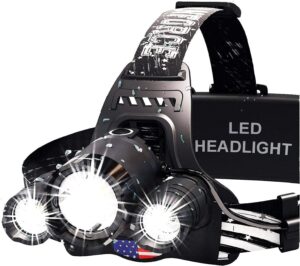
DanForce Headlamp. USB Rechargeable…
From the brand Designed in the US, DanForce headlamp is a HIGH QUALITY LED HEADLAMP. IPX45…