How to Keep Food Fresh During Outdoor Trips

How to Keep Food Fresh During Outdoor Trips
Keeping food fresh on a multi-day hike, fishing trip, or camping weekend is a practical challenge—temperature control, moisture, and pests all conspire to spoil meals. The right planning and gear let you enjoy safe, tasty food and reduce waste.
This guide gives clear, field-tested strategies for packing, cooling, storing, and serving food outdoors. Use the checklists and gear suggestions to tailor a system that fits your trip length, group size, and mode of travel.
Plan meals and pack for minimal spoilage
Start by designing a menu around low-risk items and simple cooking. Prioritize foods with a long shelf life (jerky, hard cheeses, cured meats, grains, and canned goods) for the first days. Reserve highly perishable items for the day you’ll consume them. Pre-portion ingredients into single-meal packs so you open only what you need and reduce exposure to air and contaminants.
Choose the right cooler and ice strategy
A high-quality cooler is the foundation of cold food storage. Rigid, well-insulated coolers keep temperatures low longer than soft coolers; choose a cooler sized to your planned ice volume and food. For day trips or water-based outings, a category focused on durable portable units helps you compare options: Fishing Coolers.
Tips: pre-chill the cooler, use block ice when possible (it melts slower than cubes), and separate items into zones—drinks on top, perishables deepest—and keep the lid closed as much as possible.
Use insulated bags and kill bags for short-term cold storage
Soft insulated bags are lighter for carry-in trips and useful for single-day catches or transport to a campsite. For keeping fillets or perishable food cool and dry on a boat or shore, consider a purpose-built insulated bag like the THKFISH Fish Cooler Bag, which is designed to hold ice and maintain cold temperatures for many hours.
Organize with backpacks and multi-use carry systems
When you’re hiking or fishing, your pack is your mobile pantry. Look for packs with insulated compartments or structure that allows separation of cold items from dry gear. A category dedicated to carry solutions is a good place to find options: Fishing Backpacks.
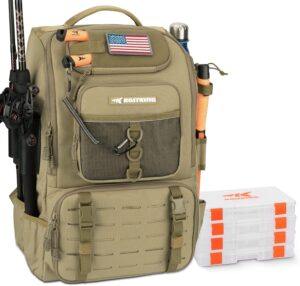
If you want an all-in-one solution that holds tackle and food for day-long outings, a versatile pack like the KastKing KarryAll Fishing Tackle Backpack doubles as organized storage for utensils, dry goods, and an insulated section for perishables—handy for anglers who need both food and gear access.
Keep dry goods dry and organize utensils and condiments
Moisture is a common cause of spoilage. Store crackers, dried fruit, and spices in waterproof, crush-resistant containers. Small modular boxes originally designed for tackle can be excellent for organizing small food items, seasoning packets, and reusable cutlery: KastKing Tackle Boxes are a low-cost way to keep snacks and prep tools tidy and away from critters.
Label meal packs and keep a simple inventory list taped inside the cooler or pack so you know what’s where without riffling through everything.
Cooking, serving, and food-safety practices in camp
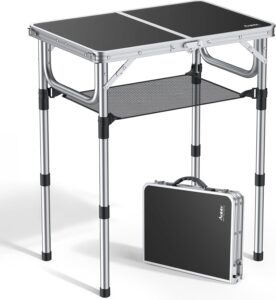
Prevent contamination by establishing a clean prep area and a separate cooking/dirty-dish area. Elevated tables make this simpler and keep food off the ground and away from pests—portable tables built for camping are compact and sturdy: Anbte Folding Camping Table.
Bring a compact griddle or skillet and an accessory set for efficient cooking and safe resting of meat: a compact kit like the Grilljoy 4PCS Griddle Accessories Set helps you handle hot food safely and rest meats properly to lock in juices and cool them to a safe holding temperature before storing.
Protect food and gear from water, rain, and immersion
Water is a quick way to ruin dry goods and chill systems. Use waterproof sacks and dry bags to protect spare clothes and non-perishables. For trips where gear may get wet—motorcycle camping, canoeing, or sudden storms—a robust dry bag like the HEETA Waterproof Motorcycle Dry Bag keeps items dry and makes it easier to separate wet gear from food storage.
Tips for longer trips and perishable items
For multi-day journeys, layer strategies: freeze what you can (soups, cooked grains, even water bottles to act as ice), use insulated containers for individual meals, and rotate food so you consume the most perishable items first. Consider vacuum-sealed pouches for meats and cooked meals to extend freshness without bulky packaging. If you’ll be fishing, clean and chill your catch immediately and transport fillets in cold storage designed for fish to maintain quality.
Smart habits that extend food life
– Pre-chill everything before it goes into your cooler.
– Keep raw proteins separated from ready-to-eat foods.
– Use thermometer checks in coolers if you are storing high-risk foods—cold should be at or below 40°F (4°C).
– Limit how often and how long you open storage containers.
Quick checklist before you head out
- Pre-chill cooler and freeze packs or bottles.
- Pre-portion meals and vacuum-seal when possible.
- Pack dry goods in waterproof containers (tackle boxes or sealable jars).
- Bring an insulated bag for short runs and a rugged cooler for longer holds.
- Set up a clean prep area with an elevated table and utensil kit.
- Store leftovers in airtight containers and refrigerate/ice promptly.
FAQ
How long will food stay cold in a quality cooler?
With a well-insulated cooler and proper ice management (block ice, pre-chill), expect 24–72 hours depending on ambient temperatures and cooler quality.
Can I use regular backpacks to carry chilled food?
You can, but insulated options or packs with dedicated cooler compartments are preferable to prevent heat transfer and moisture issues.
What’s the best way to keep fish fresh on a boat?
Bleed and gut catch quickly, rinse with cold freshwater, and store on ice in an insulated or purpose-built fish cooler or kill bag so internal temperature drops fast.
Are vacuum-sealed meals worth the effort?
Yes—vacuum sealing reduces oxygen exposure and slows spoilage, making it a high-value step for longer trips where weight and space are at a premium.
How do I prevent critters from getting into my food at camp?
Use sealed containers, hang food in bear country, store food in vehicles when possible, and keep cooking and sleeping areas separate. Regularly clean crumbs and waste.
Conclusion
Preserving food on outdoor trips comes down to planning: pick the right gear, pre-chill and portion meals, separate wet and dry items, and protect everything from water and pests. With the right cooler or insulated bag, organized packs, and simple habits—like using elevated prep surfaces and modular storage—you’ll eat better and waste less. Start with a solid system and refine it based on your trip type and duration.
Products Featured in This Article

Grilljoy 4PCS Griddle Accessories S…
From the brand Professional Grilling sets Barbecue Tools Set Each bbq tool has been specifically designed…
Anbte Folding Camping Table, Alumin…
From the brand Who are we? Young people who love hiking and adventure create a unique…

KastKing Tackle Boxes, Plastic Box,…
From the brand Fishing Backpack Fishing Sling Bag Fishing Tackle Storage Bags Tackle Box Tool Set…
KastKing KarryAll Fishing Tackle Ba…
Product description The video showcases the product in use.The video guides you through product setup.The video…
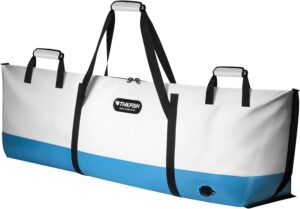
THKFISH Fish Cooler Bag Insulated F…
Product description Wider Handle Wide carrying handles for easy gripping. Waterproof Zipper Help prevent spills and…

HEETA Waterproof Motorcycle Dry Bag…
Product description 1 Reflective Design 2 Multiple Colors 3 Double Reinforcement 4 Product Details 1 Single…