How to Organize Your Fishing Tackle Before a Trip

How to Organize Your Fishing Tackle Before a Trip
Packing and organizing tackle before a fishing trip saves time on the water and reduces stress when a bite turns into a scramble. A consistent pre-trip routine helps you fish more and worry less—whether you’re launching a boat, hiking to a stream, or shore-casting from a pier.
This guide covers a step-by-step approach to sorting gear, choosing the right storage, and prepping tools and bait so you arrive ready to fish. Apply these practical tips to any outing and tweak them to match your species, location, and preferred tactics.
Plan Your Loadout
Start by defining the trip: target species, expected methods (bottom fishing, casting, trolling), location, and duration. Make a short list of must-haves and optional gear. For short trips a compact pack works best; for longer days or guided outings, use a system that separates tackle from food, electronics, and personal items. If you prefer a carry system, consider a dedicated pack like Fishing Backpacks designed specifically for anglers.
Choose the Right Storage: Boxes, Bags, and Trays
Match storage to what you actually use. Hard-sided tackle boxes with configurable dividers are perfect for hard baits, spinners, and terminal tackle that need separation. Packs and soft-sided bags work well for convenience and mobility. A solid option for organizing smaller items and keeping everything accessible is the KastKing Tackle Boxes, which let you tailor compartments to lures, hooks, and sinkers.
Sort and Store Lures by Action and Depth
Organize lures by how you fish them, not by color or brand. Group hardbaits (crankbaits, jerkbaits), soft plastics, topwater plugs, and jigs in separate trays. Within those groups, sort by action and diving depth—plugs that run deep should be kept together so you can grab a depth-specific set quickly. Replenish hooks and keep spare trebles in small, labeled compartments. For quick replenishment and category browsing, stock a selection from your lures stash and keep favorites together as you build your pre-trip set. Browse options under Fishing Lures when updating inventory.
Manage Lines and Spools for Each Setup
Label spools with line type and pound-test and store them so you can swap lines on a reel quickly. Keep mono, fluorocarbon, and braided spools separate to avoid tangles and confusion. Replace worn lines before long trips and store a couple of pre-spooled reels for backup. Good line management reduces mid-trip downtime. If you need fresh braid or specialty lines, check the selection of Fishing Lines when planning replacements.
Keep Tools Organized and Accessible
Store pliers, clippers, hook files, and multi-tools in a designated pocket or small waterproof case. Attach a lanyard or retractable tether for tools you use often; that prevents drops in shallow water or kayak scenarios. A corrosion-resistant set is critical for saltwater outings. Make sure your primary pair of pliers is in top condition and easy to grab—consider a durable option like Stainless Steel Fishing Pliers and keep backups in your main tackle bag.
Organize Rods, Reels, and a Dedicated Carry System
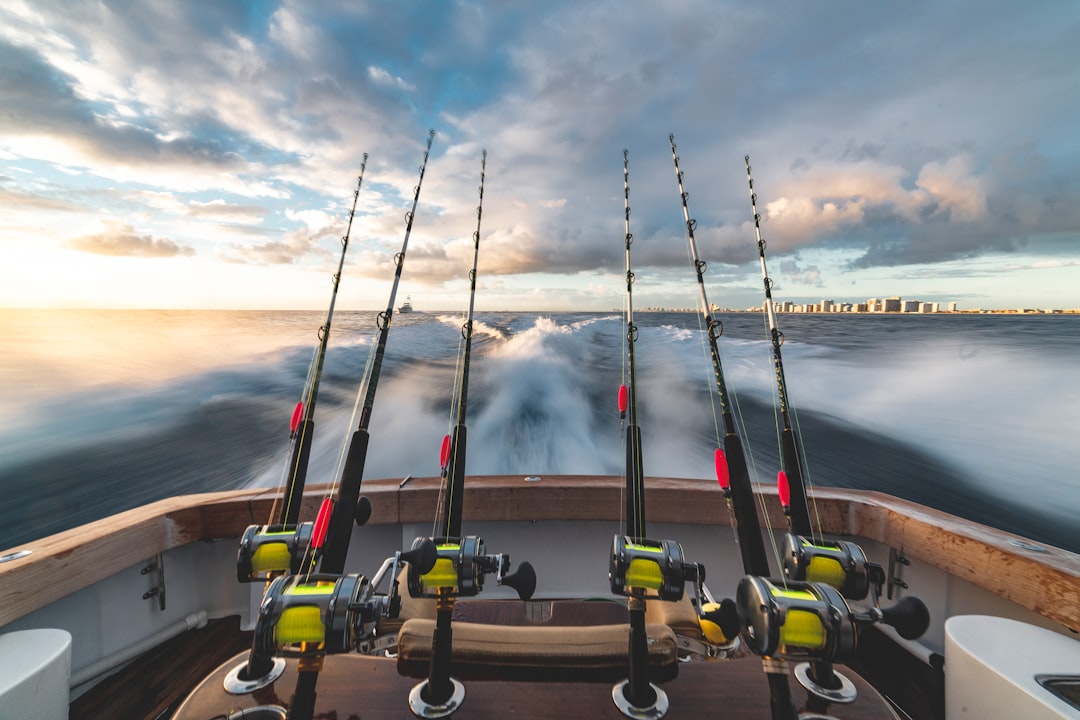
For shore and small-boat trips, break down which rods you’ll use and pack them first to avoid tangles. Use rod sleeves or a rod tube for longer drives. If you carry multiple setups, pack rods by purpose—light spinning for finesse, heavier gear for topwater or jerkbaits. A large, purpose-built tackle pack like the KastKing KarryAll Fishing Tackle Backpack organizes boxes, rods, and accessories in one place and speeds launch time.
Nets, Catch Care, and Cooler Strategy
Decide on a net and cooler plan before you go. Keep nets accessible—one-handed retrieval is common—so stow a landing net near the bow or side of the boat. After catch, use a performance cooler or kill bag to preserve fish quality and meet regulations. A compact, insulated option like the THKFISH Fish Cooler Bag keeps catches fresh and stashes easily in a pack or boat storage. If you prefer a foldable or compact landing tool, review the Fishing Landing Net with Aluminum Telescoping Pole for catch-and-release-friendly handling.
Packing Sequence and Final Prep
Pack in the order you’ll use items: rods and heavy items first, tackle boxes and lures next, then tools and personal items. Leave a small top-pocket for license, pliers, sunscreen, and a first-aid kit. Repack the night before and run a quick inventory: reels loaded, batteries charged, leader spools labeled, and lures rested (hooks pressed or replaced). Make a “trip essentials” list and check it off each time you head out to prevent last-minute runs to the store.
Quick Pre-Trip Checklist
- Pack rods/reels by purpose and secure sleeves.
- Load tackle boxes with sorted lures and terminal tackle (KastKing Tackle Boxes if you need modular trays).
- Label spools and pre-spool at least one backup reel.
- Secure pliers and tools on a tether (stainless pliers recommended).
- Stash cooler/kill bag and net in easy-to-reach positions (THKFISH Fish Cooler Bag for insulated storage).
- Charge electronics (fish finder, phone) and pack backups.
- Check weather, permits, and local regs.
FAQ
- How much tackle should I bring? Bring a core selection for the techniques you expect to use—six to eight lures per category (topwater, shallow crank, deep crank, soft plastics, jigs) is a solid baseline.
- How do I prevent hooks from tangling in my pack? Use individual compartments or hook wraps, secure soft plastics in resealable bags, and close lure boxes before stowing. Consider a pack with internal dividers to keep things stable.
- Should I pre-spool reels before every trip? Yes—especially if you expect to change line types. Label spools with type and test to speed swaps on the water.
- What’s the best way to carry a landing net? Attach it to the outside of your pack or to the boat rails where it’s accessible. Telescoping nets collapse small enough to fit inside many packs if needed.
- How do I keep lures from corroding in saltwater? Rinse in fresh water after use, dry thoroughly, and store with desiccant packs or in ventilated compartments. Replace any rusty split rings or hooks before the trip.
Conclusion
Organizing tackle before a trip is about reducing friction so you can fish when opportunity arrives. Use purpose-built storage, sort gear by function, keep tools and spares accessible, and follow a simple packing sequence. A short, consistent pre-trip routine will save time, protect gear, and let you focus on what matters—catching fish.
Products Featured in This Article

KastKing Tackle Boxes, Plastic Box,…
From the brand Fishing Backpack Fishing Sling Bag Fishing Tackle Storage Bags Tackle Box Tool Set…

Stainless Steel Fishing Pliers,Need…
To calculate the overall star rating and percentage breakdown by star, we don’t use a simple…
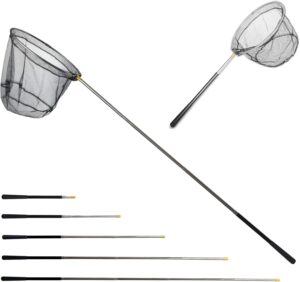
Fishing Landing Net with Aluminum T…
Always keep the telescopic pole locked when not in use to prevent accidental extension. Be cautious…
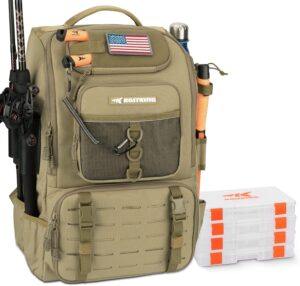
KastKing KarryAll Fishing Tackle Ba…
Product description The video showcases the product in use.The video guides you through product setup.The video…
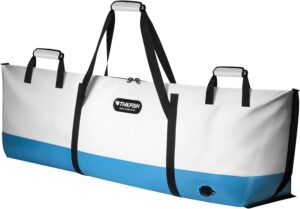
THKFISH Fish Cooler Bag Insulated F…
Product description Wider Handle Wide carrying handles for easy gripping. Waterproof Zipper Help prevent spills and…