
How to Plan a Safe and Comfortable Weekend Camping Trip
Weekend camping is one of the best ways to reset: fresh air, simpler routines, and time to recharge. Good planning removes most surprises and keeps the focus on enjoying the outdoors.
This guide covers practical steps—from gear and navigation to food and campsite setup—so you can leave prepared, safe, and comfortable on a two- or three-day trip.
Pick the Right Campsite and Time
Choose a campsite that matches your group’s skills and goals. If you want easy access to water or fishing, pick a site close to the lake or river; if you want solitude, look for backcountry sites or small state parks with fewer reservations. Always check fire restrictions, campsite rules, and whether a permit or reservation is required. Check weather forecasts for the whole period and plan to arrive with daylight left for setup.
Build a Gear List: Shelter, Sleep, and Light
Your tent, sleeping bag, and sleeping pad determine how comfortable you sleep and how well you handle temperature shifts. Pack a reliable light source and backups: a headlamp is hands-free and ideal for cooking, tent setup, and night walks. A durable option like the DanForce Headlamp gives bright, rechargeable light with useful red-light modes for night vision.
Clothing and Footwear: Layer, Protect, and Move
Pack clothing in layers (base, insulating, shell). Even in summer nights can get cold. Choose moisture-wicking fabrics and bring a warm mid-layer and waterproof outer shell. Footwear matters: bring shoes or boots rated for trails you’ll cover. A sturdy waterproof hiking shoe such as the Columbia Newton Ridge reduces the risk of blisters and keeps feet dry on muddy or wet approaches.
Food, Cooking, and Cold Storage
Plan meals for simplicity: breakfasts that heat quickly, one-pot dinners, and easy snacks. Pre-portion ingredients and store perishables in a cooler with plenty of ice or ice packs. If you expect long hours away from your vehicle while fishing or exploring, an insulated fish/catch cooler like the THKFISH Fish Cooler Bag works well for keeping food cold and protecting catches; it doubles as a reliable cooler for camping food, too.
Packs and Dry Storage: Keep Gear Organized and Protected
Choose a daypack and a main pack sized to your trip. For weekend trips where you carry multiple small items and want organization, a multi-pocket pack such as the KastKing KarryAll Backpack provides compartments and external attachment points that work for camping essentials as well as fishing gear.
Protect electronics, spare clothes, and fire-starting materials from rain and river spray with a waterproof dry bag like the HEETA Waterproof Dry Bag. Use one for your sleeping bag liner or separate small items into smaller dry sacks to prevent a single failure from soaking everything.
Hydration and Short Hikes
Carry at least 2 liters of water per person per day, more in hot or strenuous conditions. A hydration pack frees your hands and makes sipping while hiking easy; the MARCHWAY Tactical Molle Hydration Pack combines a 3L bladder with MOLLE attachment points for tools and first-aid kits—useful for single-day explorations from base camp.
Navigation, Wildlife Awareness, and Observation
Bring a map, compass, and basic knowledge of how to use them. Battery-powered navigation tools are convenient, but always have an analog backup. Binoculars help identify distant hazards, observe wildlife without disturbing it, and scan for open campsites or trail markers; a compact option like the Nocs Provisions 10×25 Binoculars fits in a pocket or pack and is handy at dawn and dusk.
Campsite Setup and Comfort
Set your tent on flat ground, clear debris beneath your footprint, and angle your tent so the door faces away from prevailing wind. Create a cooking area at least 10 feet from sleeping areas and keep food stored in a secure, scent-safe container. Small comforts make a big difference: a compact table shortens meal prep and keeps items organized—consider an easy-to-carry option like the Anbte Folding Camping Table that folds flat and provides a steady prep surface.
Emergency Prep and First-Aid
Build a small first-aid kit tailored to your group and plan for basic wound care, blister treatment, and allergy responses. Know how to signal for help and how to stop bleeding. Carry a whistle, firestarter, and an emergency blanket. Share your route and expected return time with someone who won’t be on the trip.
Quick Weekend Camping Checklist
- Tent, footprint, guylines, stakes
- Sleeping bag (temperature rated) and sleeping pad
- Headlamp and spare batteries (DanForce Headlamp)
- Layered clothing and waterproof hiking shoes (Columbia Newton Ridge)
- Food, stove, utensils, and cooler (THKFISH Fish Cooler Bag)
- Packs and drybags (KastKing Backpack, HEETA Dry Bag)
- Navigation, binoculars (Nocs Binoculars) and whistle
- Hydration (3L bladder pack recommended: MARCHWAY Pack)
FAQ
- How much water should I bring for a weekend trip? Plan on at least 2 liters per person per day for camp use, plus extra for cooking and hot days; use a hydration pack for hikes.
- Can I keep food in my tent? No—store food in a vehicle, bear locker, or suspended in a tree where required. Keep cooking and sleeping areas separate.
- What if the weather turns bad? Have a waterproof shell, a tent with a rainfly, and a plan to hunker down or head out early. Keep electronics in a dry bag.
- Is a camp table necessary? Not necessary but helpful—a small folding table reduces bending and keeps small items off the ground for cleaner, faster meal prep.
- How do I keep food cold without electricity? Use a high-quality insulated cooler with lots of ice and pre-chilled items; block ice or frozen water bottles extend cooling time.
Weekend camping becomes simple when you plan for comfort and safety: choose the right site, pack smart layers, protect your gear, and prioritize hydration and navigation. A few reliable items—a good headlamp, solid footwear, dry storage, and a compact table—reduce friction and let you focus on the outdoors.
Practical takeaway: make a checklist from this guide and pack one item at a time—if it’s on the list and has a purpose, bring it; if not, leave it behind. Enjoy your trip, stay prepared, and leave the site better than you found it.
Products Featured in This Article
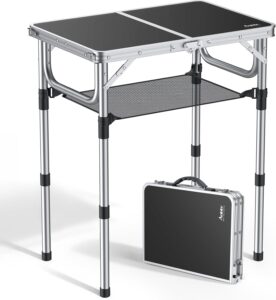
Anbte Folding Camping Table, Alumin…
From the brand Who are we? Young people who love hiking and adventure create a unique…
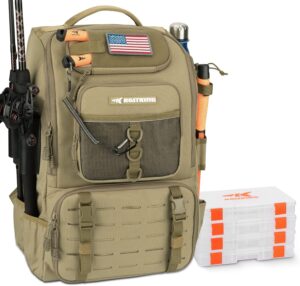
KastKing KarryAll Fishing Tackle Ba…
Product description The video showcases the product in use.The video guides you through product setup.The video…
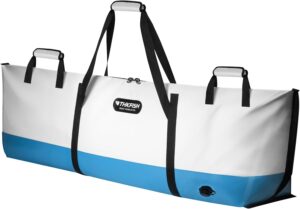
THKFISH Fish Cooler Bag Insulated F…
Product description Wider Handle Wide carrying handles for easy gripping. Waterproof Zipper Help prevent spills and…

MARCHWAY Tactical Molle Hydration P…
From the brand MARCHWAY Hydration Pack Streamlined design, sturdy materials will last for years. March is…

Columbia Men’s Newton Ridge P…
A hiking boot designed with expert craftsmanship for the female hiking enthusiast, the Columbia Newton Ridge…

Nocs Provisions Standard Issue 10&#…
Product description 1 STANDARD ISSUE 25MM 2 ZOOM TUBE 32MM 3 FIELD ISSUE 32MM 4 PRO…
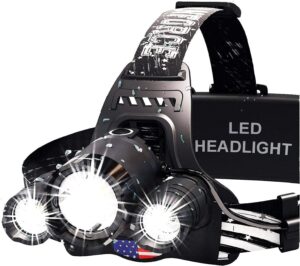
DanForce Headlamp. USB Rechargeable…
From the brand Designed in the US, DanForce headlamp is a HIGH QUALITY LED HEADLAMP. IPX45…

HEETA Waterproof Motorcycle Dry Bag…
Product description 1 Reflective Design 2 Multiple Colors 3 Double Reinforcement 4 Product Details 1 Single…