How to Stay Hydrated During Outdoor Adventures
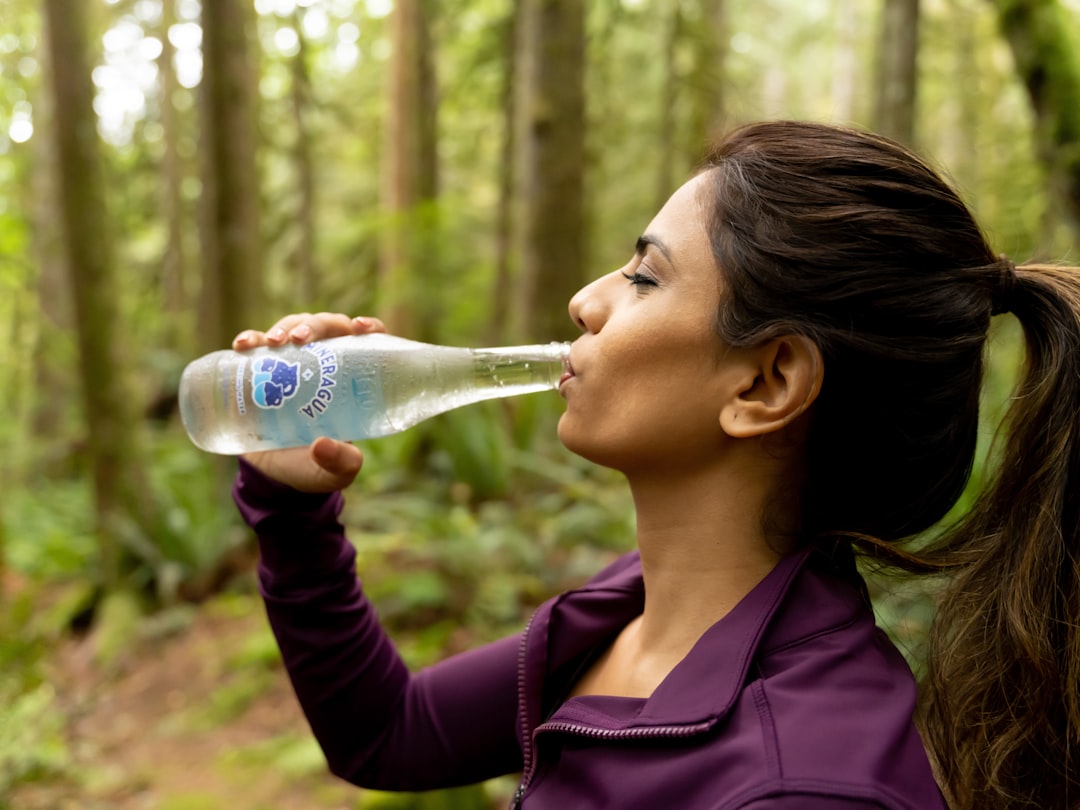
Staying properly hydrated is one of the simplest and most effective ways to protect performance, safety, and comfort on any outdoor trip. Whether you’re hiking a hot alpine trail, paddling all day, or sitting in a blind waiting for dawn, a hydration plan should be as deliberate as your route or gear list.
This guide lays out practical tactics and equipment choices you can use right now: how much to carry, how to treat water in the field, and how to pack and protect fluids so you actually drink when you should.
Why hydration matters: performance, safety, signs to watch
Even mild dehydration reduces endurance, concentration, and decision-making—exactly the things you need outdoors. Watch for early signs: darker urine, dry mouth, fatigue, headache, dizziness. Addressing these early is far easier than managing heat-related illness or altitude effects later.
Carrying a dedicated system makes sipping easy. For day hikes and missions where quick access matters, consider a purpose-built pack like the MARCHWAY Tactical Molle Hydration Pack, which includes a 3L bladder and organized pockets so water is always within reach.
Plan your water needs before you go
Estimate baseline needs: plan on 0.5–1 liter per hour of moderate activity in temperate conditions, more in heat. Add reserve for delays and emergencies. If your route crosses streams or lakes, plan purification steps rather than assuming you’ll carry all water from the start.
If you’re fishing or boating and expect to be mobile across long distances, bring extra carrying options—specialized storage like Fishing Backpacks offer compartments sized for bottles, bladders, and tools without compromising rod or tackle storage.
Choose the right hydration gear for the trip
Hydration bladders (2–3L) are unbeatable for continuous sipping; insulated bottles are better where cold retention matters; hard-sided bottles are more durable for backpacking. For multi-day or family basecamp trips, cooling and storage become as important as capacity.
On fishing or lakeside trips, a quality cooler keeps drinks and ready-to-drink electrolyte solutions cold and palatable. Browse Fishing Coolers when you need durable insulation and top-access organization for group outings.
Purifying and treating water in the field
Never assume a clear stream is safe. Use one or more reliable treatment methods: chemical tablets, filters, UV pens, or boiling. Boiling is foolproof for biological contaminants—bring a compact stove or use cookware that’s easy to heat.
For backcountry boiling and small-scale sterilization, simple camp kettles or pots work well. Lightweight options like the Odoland Camping Coffee Pot double as a pot for boiling water and making warm drinks—useful for both hydration and morale in cold conditions.
Hydration strategies by activity
Different activities demand different approaches:
- Hiking/backpacking: sip regularly from a bladder; carry a liter reserve in a bottle for emergency or sharing.
- Fishing/boating: secure bottles in a cooler or pack to keep them cold and avoid spills; organize access so you don’t lose focus while casting.
- Hunting: minimize noise and bustle—use bottles that clip inside a pack or wear a pack designed for quiet access and concealment.
For anyone on the water, choose safety-appropriate gear and make sure pockets and storage won’t interfere with flotation. If you’re boating, keep hydration close while also respecting safety requirements—carry life preservers and ensure your gear choice complements them; see options under Life Jackets for approved personal flotation devices that work with storage systems.
Managing hydration in heat and at altitude
Heat increases sweat losses dramatically; altitude increases respiratory water loss and often suppresses thirst. In both cases, plan to drink more than you feel you need and include electrolytes to replace salts lost in sweat.
For basecamps, overland trips, or long guided outings where refrigeration is available, keeping drinks and mixes cold improves intake and taste. Portable 12V refrigeration like the ICECO GO20 Dual Zone 12V Refrigerator is ideal for extended car-camping or basecamp where cold storage is a priority.
Packing and carrying water efficiently
Think distribution: store water where you can reach it without stopping. Use hydration sleeves in chest pockets, bladders in main or top compartments, and reserve bottles in external mesh pockets. Balance weight so your pack rides steady.
If you need insulated, long-duration storage for beverages or catches that also serve as water storage on multi-day fishing trips, consider specialty cool bags like the THKFISH Fish Cooler Bag, which keeps cold items insulated and frees up pack space.
Night, emergency, and low-light considerations
Night hikes and dawn hunts change behavior: you might drink less because you want to avoid movement. Plan: hydrate before activity, sip during, and use leakproof containers to avoid noise. Keep emergency fluids in a separate, clearly marked pocket so you can access them without a headlamp.
For low-light trips, reliable lighting speeds safe hydration stops. A rechargeable headlamp like the DanForce Headlamp keeps both hands free to open containers and check seals without fumbling in the dark.
Small checklist: what to pack for hydration
- Primary water system: bladder (2–3L) or bottle
- 1–2L reserve in insulated bottle or cooler
- Water treatment option: filter, tablets, or stove/kettle
- Electrolyte mixes or tablets
- Leakproof containers and spares (caps, bite valves)
- Emergency water: compact purification tablets or a small folded bottle
- Visibility/lighting for low-light access (headlamp)
Conclusion — a practical takeaway
Hydration is a planned habit, not an afterthought. Choose the right mix of carrying systems, treatment tools, and storage for your activity, and schedule small, frequent sips. With a basic checklist and the right gear in place, you’ll protect performance and safety across every outdoor adventure.
Frequently Asked Questions
- How much water should I drink per hour? Aim for roughly 0.5–1.0 liter per hour during moderate activity in temperate conditions; increase in heat or at high altitude.
- Can I rely on stream water? Only if you treat it. Use filtration, chemical treatment, UV sterilization, or boiling to remove biological hazards.
- Are bladders better than bottles? Bladders are better for frequent sipping and hands-free access; bottles are easier to clean and better for freezing or storing hot liquids.
- What about electrolytes? Use electrolyte mixes when activities exceed 90 minutes, involve heavy sweating, or when heat and humidity are high.
- How do I keep water cold on long days? Use insulated bottles, soft coolers, or a quality portable fridge/cooler at basecamp to keep drinks palatable and more likely to be consumed.
Products Featured in This Article
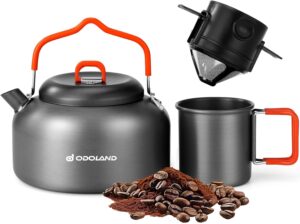
Odoland Camping Coffee Pot Camping …
Product description The Perfect Camping Coffee Maker Set – The stove top coffee maker set come…
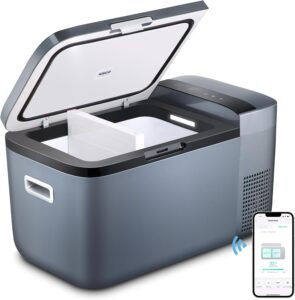
ICECO GO20 Dual Zone 12V Refrigerat…
Product description Superior Design 15 Min Fast Cooling 15 minutes of fast & deep cooling, you…
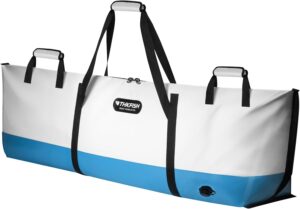
THKFISH Fish Cooler Bag Insulated F…
Product description Wider Handle Wide carrying handles for easy gripping. Waterproof Zipper Help prevent spills and…

MARCHWAY Tactical Molle Hydration P…
From the brand MARCHWAY Hydration Pack Streamlined design, sturdy materials will last for years. March is…
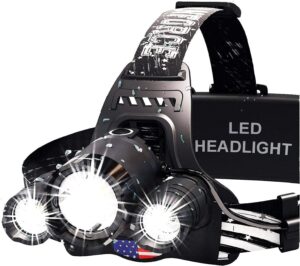
DanForce Headlamp. USB Rechargeable…
From the brand Designed in the US, DanForce headlamp is a HIGH QUALITY LED HEADLAMP. IPX45…