Outdoor Adventure Planning Tips for a Better Trip

Outdoor Adventure Planning Tips for a Better Trip
Good planning turns a good outdoor outing into a great one. Whether you’re heading into the backcountry, paddling a lake, or prepping a weekend on the water, clear decisions before you go reduce risk and increase enjoyment.
This guide focuses on practical, trustworthy steps you can take to plan smarter: setting goals, choosing gear, preparing for emergencies, and keeping comfort and Leave No Trace principles front and center.
Set clear goals and plan a realistic route
Define what success looks like for the trip: distance, difficulty, time on the water, or views you want to reach. Choose a route that fits the weakest or least experienced person in your group. Use trail or marine charts to split the route into manageable segments and plan bailout points or resupply stops.
Check weather, water, and trail conditions
Weather can change rapidly. Check forecasts from reliable services for wind, precipitation, and temperature trends for the hours you’ll be active. For boating, verify water conditions and any notices to mariners; on land, check recent trail reports for washouts, closures, or hazards. If conditions look marginal, delay or shorten the trip rather than pushing limits.
Prioritize core safety gear
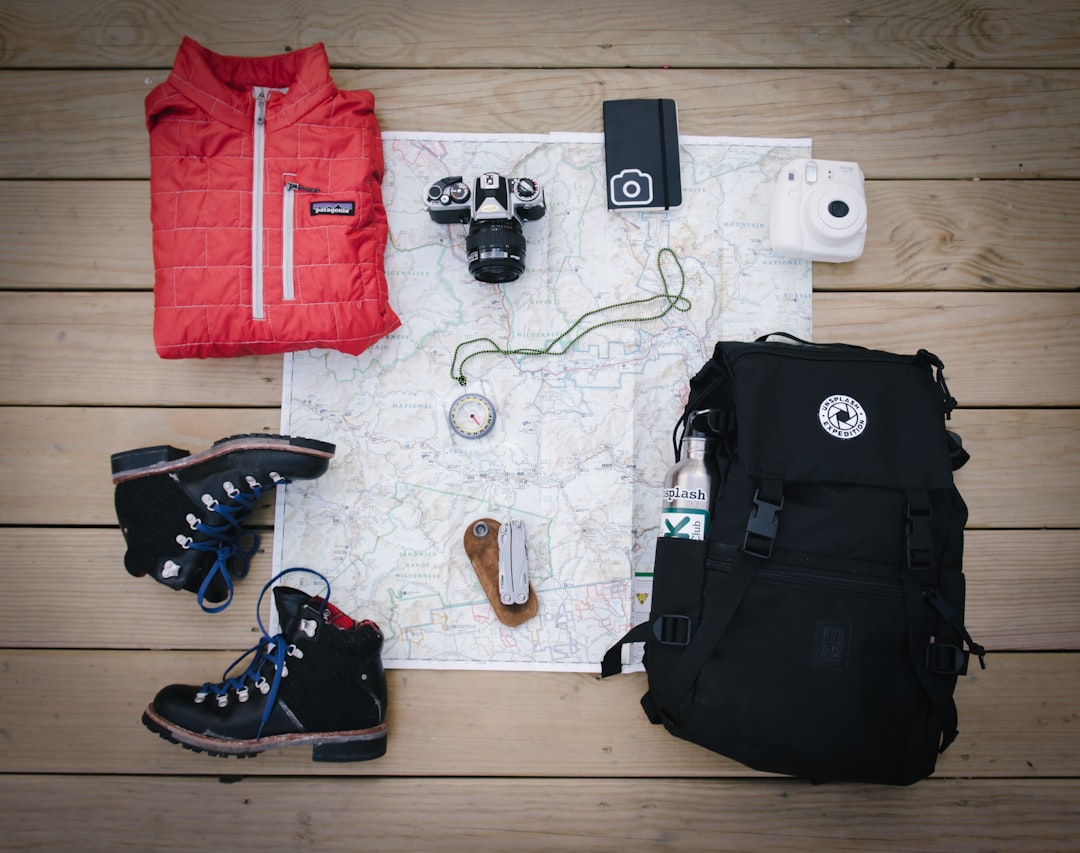
Make a pre-trip gear list that separates essentials from nice-to-haves. For water-based activities, always use properly sized, Coast Guard–approved flotation devices. For land trips, prioritize layered clothing, navigation tools, and emergency shelter. Keep gear functional and practiced—an unfamiliar or poorly maintained item adds risk.
When boating, choose and fit personal flotation correctly: Life Jackets are the first line of defense for every person on board.
Floatation and onboard safety for water trips
Beyond wearable PFDs, have throwable flotation and buoyant devices readily accessible, not stowed. In a man-overboard scenario, quick deployment of a throwable device can keep someone afloat while you organize recovery.
Keep at least one approved throwable within reach: Throwable Flotation Devices are compact, quick to deploy, and simple to maintain.
Emergency communications and navigation
Put communications and navigation tools on your checklist and test them before departure. Waterproof radios, VHF units, or satellite messengers can be lifesaving when cellular service is unreliable. Carry spare batteries or power banks appropriate to your devices and the trip length.
For wet conditions or marine trips where water protection matters, choose gear rated for moisture: Waterproof Emergency Radios and comms make staying informed and calling for help easier.
First aid and illness prevention
Customize a first-aid kit for the group size and activity type. Include items to treat cuts, sprains, blisters, and common outdoor ailments. Know how to use every item in the kit—practice basic wound care and splinting at home.
Consider a marine or activity-specific kit if you spend time on the water: Marine First Aid Kits are organized for conditions you’re likely to face on a boat.
Signals, visibility, and low-light preparation
Visibility matters for preventing collisions and locating people in low-light conditions. Carry multiple signaling methods: lights, whistles, flares, or mirrors depending on the environment and regulations. Practice using them so you can deploy quickly in an emergency.
Ensure your vessel or party is visible after dusk: reliable Boat Safety Lights help others see you and comply with navigation rules.
Small items that make a big difference
Don’t underestimate compact items: a high-quality whistle, waterproof matches or lighter, and a knife can solve common problems fast. Make these items accessible rather than buried deep in a pack.
For signaling and close-range communication, lightweight whistles are inexpensive insurance: Marine Emergency Whistles are designed for clarity and durability around water.
Fire and mechanical preparedness
If your trip includes a vessel with an engine or a campsite with cooking, plan for fire prevention and response. Check fuel lines and connections before departures and keep a working fire extinguisher handy in the engine compartment or galley.
Match extinguishers to likely fuel types and ensure the crew knows how to use them: Boat Fire Extinguishers are rated and sized for marine applications.
Pre-packed kits and redundancy
Pre-assembled safety kits reduce decision-making under stress. A compact kit with signaling, first aid, and flotation basics can get you through the first critical minutes of an incident. Still, check contents regularly and replace expired components.
If you prefer a single complete option, consider ready-made kits tailored for boating or outdoor emergencies: Marine Safety Kits combine multiple tools and make packing straightforward.
Packing strategy and weight distribution
Packing efficiently increases comfort and safety. Keep frequently used items near the top, heavy items low and centered, and emergency gear accessible without unpacking the entire pack or storage area. For boats, stow heavy items toward the centerline and low in the hull to preserve stability.
Trip checklist
- Route plan and estimated times with bailout points
- Check weather and water/trail conditions
- Personal flotation devices for everyone (Life Jackets)
- Throwable flotation device accessible (Throwable Flotation Devices)
- Waterproof communications and navigation (Waterproof Emergency Radios)
- First aid kit and training (Marine First Aid Kits)
- Visibility/signaling tools (Boat Safety Lights, Marine Emergency Whistles)
- Fire suppression available (Boat Fire Extinguishers)
- Pre-packed emergency kit (Marine Safety Kits)
Leave No Trace and boat care
Respect natural spaces: pack out trash, avoid disturbing wildlife, and minimize campfire impact. For boaters, rinse and clean gear to prevent transferring invasive species between water bodies and to keep equipment reliable.
Conclusion: one practical takeaway
Choose and inspect your core safety items first—flotation, communications, and first aid. Everything else is easier to add once the basics are in place. A simple, practiced plan plus the right small kit will improve safety and enjoyment for every trip.
FAQ
- How do I choose the right life jacket?
Select a life jacket sized for the user’s weight and chest size, appropriate for the activity, and approved for your region. Try it on with any clothing you’ll wear and practice swimming with it where safe.
- What should be in a small marine first aid kit?
Basic bandages, antiseptic wipes, adhesive tape, pain relievers, blister care, and any personal medications. Training on wound care and how to manage hypothermia and shock is equally important.
- Are waterproof radios necessary?
They’re highly recommended for boating and wet environments because water exposure can disable standard electronics—waterproof radios preserve communication capability when it counts most.
- How often should I inspect safety gear?
Before every trip visually inspect for damage and functionality. Do a detailed gear check seasonally—battery replacement, expiry dates on flares and extinguishers, and fabric wear on PFDs.
- Can I make my own safety kit?
Yes, but follow checklists for your activity and include redundant signaling and flotation. Pre-made kits provide convenience and regulatory compliance if you prefer a ready option.