
Getting off the trail or into the backcountry is one of the best ways to reset. But adventure brings risk, and the right gear can be the difference between a short inconvenience and a serious problem. This guide covers essential survival items every adventurer should carry—compact, multi-use, and reliable choices that cover navigation, water, shelter, tools, and signaling.
Read this as a practical checklist: choose items that match your terrain and trip length, learn to use them before you need them, and pack for redundancy where failure matters most.
Navigation & Communication
Knowing where you are and how to call for help are foundational. Carry a reliable map and compass and practice navigation regularly. For water-based trips or powered craft, dedicated navigation electronics add safety and situational awareness—GPS, chartplotters, and marine radios offer clarity when weather or visibility degrades. If you plan to bring electronic navigation, consider upgrading or researching options in the Marine Electronics category to match your boat and range requirements.
Personal Flotation & Water Safety
When trips involve rivers, lakes, or coastal zones, flotation isn’t optional. Wear a Coast Guard–approved life jacket sized for you whenever you’re on the water. A proper life jacket improves survival odds and keeps you comfortable and mobile during unexpected immersion. Browse appropriate fits and styles in the Life Jackets selection to find one that balances mobility with buoyancy.
Backup Buoyancy and Boat Safety
Beyond a personal flotation device, boats and group trips should carry throwable flotation and emergency gear. Throwable devices are fast-deploy tools for rescuing an overboard swimmer or stabilizing a casualty until rescue arrives. Make them easy to reach and practice quick deployment drills with your crew; find options tailored to small craft in the Throwable Flotation Devices category.
Water & Hydration Systems
Dehydration reduces cognitive function and physical performance. Carry enough water and a plan to resupply or filter locally sourced water. For hikes and technical routes, hydration bladders and packs are efficient and distribute weight well. If you want a compact, packable solution with easy access, consider a purpose-built hydration pack like the MARCHWAY Tactical Molle Hydration Pack, which integrates storage, molle compatibility, and a 3L bladder for continuous sipping on long moves.
Fire, Cooking & Hot Fluids
Fire provides warmth, signaling, cooking, and morale. Carry multiple ignition methods (e.g., lighter, ferrocerium rod, waterproof matches) and a compact stove or cookset suited to your trip. For minimalists or ultralight backcountry cooks, small utensils and compact sets reduce weight while letting you boil water and prepare hot food. Lightweight kits such as the Jetboil TrailWare Backpacking and Camping Utensil Set are handy extras that take almost no space and make meals quicker and safer.
Tools, Knives & Repair Kits
Carry a sturdy multi-tool or fixed-blade knife and a small repair kit tailored to your gear: duct tape, cordage, a sewing awl or needle, spare buckles, and a patch kit for inflatables. A folding saw or compact hatchet helps with shelter work and firewood on longer trips. Keep tools sharp, oiled, and accessible; a damaged blade or missing fastener can turn a manageable fix into a major problem. Include cordage rated for load-bearing tasks and a few carabiners to rig and secure equipment.
Lighting & Signaling
Good light extends your operational window and improves safety during low-visibility rescues. Always carry a hands-free headlamp with spare batteries or a reliable rechargeable model. A headlamp with red-light mode conserves night vision, and a powerful white beam aids routefinding. Consider the long-life, bright DanForce Headlamp for extended trips where weight and lumen output matter. Combine lighting with visual signaling—whistles, mirrors, and chemical light sticks—for non-verbal alerts.
Clothing, Insulation & Shelter
Layering is the most effective way to manage temperature and moisture. A base layer that dries quickly, insulating mid-layers, and a waterproof breathable shell are core pieces. Footwear should match terrain: stiff-soled boots for rough alpine routes, lighter shoes for trails. If your trip crosses hunting areas or you need camouflage for specific activities, durable garments from the Hunting Clothing category can offer practical features like silent fabrics, scent reduction, and reinforced panels. Carry an emergency shelter—bivy, tarp, or ultralight tent—and a compact sleeping system suited to expected temperatures.
Food Management & Catching Food
Carry calorie-dense, easy-to-prepare food and a way to keep perishable supplies safe. For fishing-centric expeditions or boat trips, an insulated fish bag or cooler preserves your catch and prevents spoilage. A quality insulated option like the THKFISH Fish Cooler Bag Insulated Fish Kill Bag keeps fish fresh for days and doubles as a heavy-duty cooler for food and ice.
Quick Checklist
- Navigation: map, compass, and GPS/electronics
- Flotation: life jacket and throwable device (when on water)
- Hydration: water + filtration system + hydration pack
- Fire & cooking: ignition sources, stove, lightweight utensils
- Tools: knife/multi-tool, repair kit, cordage
- Lighting & signaling: headlamp, whistle, signaling mirror
- Clothing & shelter: layered clothing, waterproof shell, emergency shelter
- Food & storage: high-calorie rations and an insulated cooler or fish bag
FAQ
Q: How many days of water should I carry?
A: Carry at least one liter per person for every 2 hours of moderate activity in temperate conditions and plan to resupply or filter if your route offers reliable water sources.
Q: Is a life jacket necessary for shore-based fishing?
A: If you’re fishing from shore in calm, shallow water the risk is lower, but any activity near deep or moving water benefits from wearing a PFD—especially if cold water or slippery banks are present.
Q: What’s the most important tool to practice with?
A: Navigation tools (map and compass) and your primary fire-starting method. Practicing under non-stressful conditions ensures speed and confidence if you need them in an emergency.
Q: How do I keep electronics working on extended trips?
A: Use high-capacity power banks, solar panels where practical, and waterproof cases. Turn devices off when not in use and carry backup navigation methods like paper maps and a compass.
Q: Can a small headlamp be enough for overnight trips?
A: Yes, if it has reliable battery life and multiple light modes. For technical climbing or search tasks, supplement with a higher-output flashlight.
Conclusion
Prioritize gear that addresses the most likely risks for your activity and terrain. Train with your equipment, check and maintain it regularly, and pack redundancies for critical systems: flotation, navigation, water, and fire. A small, well-considered kit gives you confidence and significantly improves your resilience on the trail or water.
Products Featured in This Article
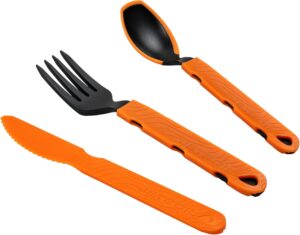
Jetboil TrailWare Backpacking and C…
The perfect outdoor utensil set. Forget about the mess and hassle of cleaning on the trail….
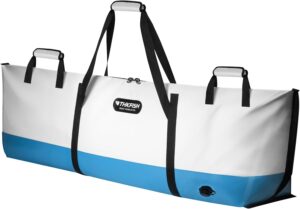
THKFISH Fish Cooler Bag Insulated F…
Product description Wider Handle Wide carrying handles for easy gripping. Waterproof Zipper Help prevent spills and…

MARCHWAY Tactical Molle Hydration P…
From the brand MARCHWAY Hydration Pack Streamlined design, sturdy materials will last for years. March is…
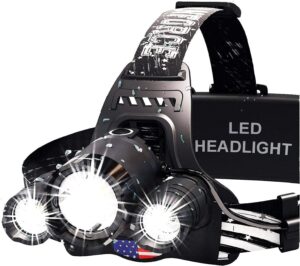
DanForce Headlamp. USB Rechargeable…
From the brand Designed in the US, DanForce headlamp is a HIGH QUALITY LED HEADLAMP. IPX45…